If you glanced at a map and thought Michigan looked like a mitten, you’re not alone, but that’s just the beginning of understanding this extraordinary state. Surrounded by four of the five Great Lakes, Michigan possesses more freshwater coastline than any other state, creating a maritime identity in the heart of the Midwest that confounds simple categorization. This is where Henry Ford revolutionized manufacturing, where Motown defined a generation’s soundtrack, and where cereal magnates built their empires. From the eerie shipwrecks resting beneath Superior’s cold waters to the sand dunes rivaling ocean beaches, from Detroit’s gritty resilience to the Upper Peninsula’s wilderness that feels more Canadian than American, Michigan defies every stereotype about the Rust Belt and the Midwest. The state’s split personality, divided by the Straits of Mackinac into two distinct peninsulas, creates geographic and cultural complexities that most outsiders never grasp until they experience pure Michigan firsthand.
30 Remarkable Facts about Michigan
The Great Lakes State’s Unique Geography
1. Michigan Has More Coastline Than Any State Except Alaska
With 3,288 miles of Great Lakes shoreline, Michigan has more freshwater coastline than any other state and more total shoreline than any state except Alaska. The state touches four of the five Great Lakes: Superior, Michigan, Huron, and Erie.
2. No Point in Michigan Is More Than 85 Miles from a Great Lake
Michigan’s unique geography means every location in the state sits within 85 miles of a Great Lakes shoreline. This proximity profoundly influences the state’s climate, economy, culture, and identity.
3. The Upper and Lower Peninsulas Are Like Different States
The Straits of Mackinac divide Michigan into two distinct peninsulas with different cultures, climates, and identities. “Yoopers” (Upper Peninsula residents) joke about seceding, while “Trolls” (Lower Peninsula residents, named because they live “under the bridge”) dominate the state’s population and politics.
4. Michigan Contains Over 11,000 Inland Lakes
Beyond its Great Lakes coastline, Michigan contains over 11,000 inland lakes covering more than 1,000 acres of surface water. No matter where you are in Michigan, a lake is always nearby.
5. Sleeping Bear Dunes Rival Ocean Beaches
The Sleeping Bear Dunes along Lake Michigan’s shore rise up to 450 feet above the lake, creating massive sand mountains that rival ocean beaches. Good Morning America viewers voted Sleeping Bear Dunes the “Most Beautiful Place in America” in 2011.
Michigan’s Automotive Legacy
6. Detroit Is the Motor City
Detroit earned the nickname “Motor City” and “Motown” because Henry Ford revolutionized automobile manufacturing there with the assembly line. By the 1950s, Detroit produced over half the world’s automobiles, with the Big Three (Ford, General Motors, and Chrysler) dominating the industry.
7. The First Mile of Paved Rural Road in America
Wayne County built America’s first mile of concrete rural highway in 1909, appropriately occurring in the state that would define automobile culture. This innovation made Michigan a pioneer in road infrastructure.
8. Michigan Produces More Cars Than Any Other State
Despite decades of decline, Michigan remains America’s leading automobile manufacturing state, producing more vehicles than any other state. The industry employs hundreds of thousands of workers directly and indirectly throughout the state.
9. The Automotive Industry Shaped Michigan’s Identity
Beyond manufacturing, the automotive industry influenced Michigan’s architecture, urban planning, labor politics, and social structure. The rise and fall of Detroit’s automotive dominance created the modern Michigan landscape, from abandoned factories to suburban sprawl.
10. Henry Ford’s $5 Day Changed Everything
In 1914, Henry Ford shocked the business world by paying workers $5 per day, more than double the typical wage. This decision created America’s first middle-class factory workers and transformed labor relations nationwide.
Motown Music and Cultural Contributions
11. Motown Records Started in a Detroit House
Berry Gordy Jr. founded Motown Records in 1959 in a modest Detroit house labeled “Hitsville U.S.A.” The label produced legendary artists including Diana Ross and The Supremes, Marvin Gaye, Stevie Wonder, The Temptations, and The Four Tops.
12. The Motown Sound Defined a Generation
Motown’s distinctive sound, blending gospel, R&B, and pop with sophisticated production, became the soundtrack of the 1960s and broke down racial barriers in popular music. The label achieved unprecedented crossover success on mainstream charts.
13. Michigan Produced Madonna and Eminem
Beyond Motown, Michigan gave the world Madonna from Bay City and Eminem from Detroit. Both became global superstars who revolutionized their respective musical genres and popular culture.
14. Iggy Pop and MC5 Started Punk Rock in Michigan
Detroit’s music scene in the late 1960s produced proto-punk bands like MC5 and The Stooges (fronted by Iggy Pop), creating aggressive, raw sounds that influenced punk rock before it had a name.
Michigan’s Unusual Laws and Quirky Traditions
15. You Can’t Be Drunk on a Train
An old Michigan law makes it illegal to be drunk on a train, a relic from an era when railroad travel dominated and public intoxication concerned lawmakers. While rarely enforced, the law technically remains on the books.
16. Hunters Wear Orange for a Good Reason
Michigan requires hunters to wear hunter orange during firearm deer season, a sensible law in a state where hunting culture runs deep and forests fill with armed individuals tracking game.
17. The State Has a Vernors Day
Detroiters celebrate Vernors Day on May 24th, honoring the beloved ginger ale invented in Detroit in 1866 by pharmacist James Vernor. Vernors claims to be America’s oldest surviving ginger ale.
18. Pasties Are a Michigan Food Group
The Upper Peninsula’s pasty, a meat-and-vegetable-filled pastry brought by Cornish miners, has become a regional obsession. These portable meals remain a staple in the UP, with numerous restaurants and shops specializing in variations.
19. Michiganders Use Their Hand as a Map
Michigan residents famously hold up their right hand as a mitten to show where they’re from on the Lower Peninsula, pointing to locations on their palm and fingers. This quirky habit instantly identifies Michiganders.
Michigan’s Natural Resources and Industries
20. Michigan Was the Furniture Capital
Grand Rapids earned the title “Furniture City” during the late 19th and early 20th centuries when it became America’s furniture manufacturing center. The industry employed thousands and established Michigan’s reputation for craftsmanship.
21. Battle Creek Is the Cereal Capital
Battle Creek became the “Cereal Capital of the World” thanks to John Harvey Kellogg and C.W. Post, who developed corn flakes and other breakfast cereals there. Kellogg’s headquarters remains in Battle Creek today.
22. Petoskey Stones Are Michigan’s State Stone
Petoskey stones, fossilized coral over 350 million years old, are found along Michigan beaches and are prized by collectors. These distinctive hexagonal patterns make them unmistakable and uniquely Michigan.
23. Michigan Leads in Tart Cherry Production
Michigan produces about 75% of America’s tart cherries, making it the undisputed tart cherry capital. The annual National Cherry Festival in Traverse City celebrates this agricultural dominance every July.
24. Copper Mining Built the Upper Peninsula
The Keweenaw Peninsula’s copper boom in the 19th century drew thousands of immigrants and created prosperous mining communities. Ancient copper mining by indigenous peoples preceded European settlement by thousands of years.
Michigan Sports and Records
25. The Mackinac Bridge Spans Five Miles
The Mackinac Bridge, connecting Michigan’s two peninsulas since 1957, spans five miles across the Straits of Mackinac. “Big Mac” ranks among the world’s longest suspension bridges and serves as a vital link for the state’s identity.
26. Michigan Has Professional Sports Teams in Four Major Leagues
Detroit fields teams in all four major professional sports: the Lions (NFL), Tigers (MLB), Red Wings (NHL), and Pistons (NBA). The Red Wings’ 25 playoff appearances between 1991 and 2016 established them as one of hockey’s most successful franchises.
27. The University of Michigan Football Stadium Is the Largest in America
Michigan Stadium, nicknamed “The Big House,” seats over 107,000 fans, making it the largest stadium in the United States and one of the largest in the world. Wolverines football dominates Michigan’s sports culture.
28. Hockeytown USA
Detroit embraced the “Hockeytown” nickname during the Red Wings’ championship dynasty of the 1990s and 2000s. The franchise’s 11 Stanley Cup championships make it one of hockey’s most storied organizations.
Michigan’s Weird and Wonderful
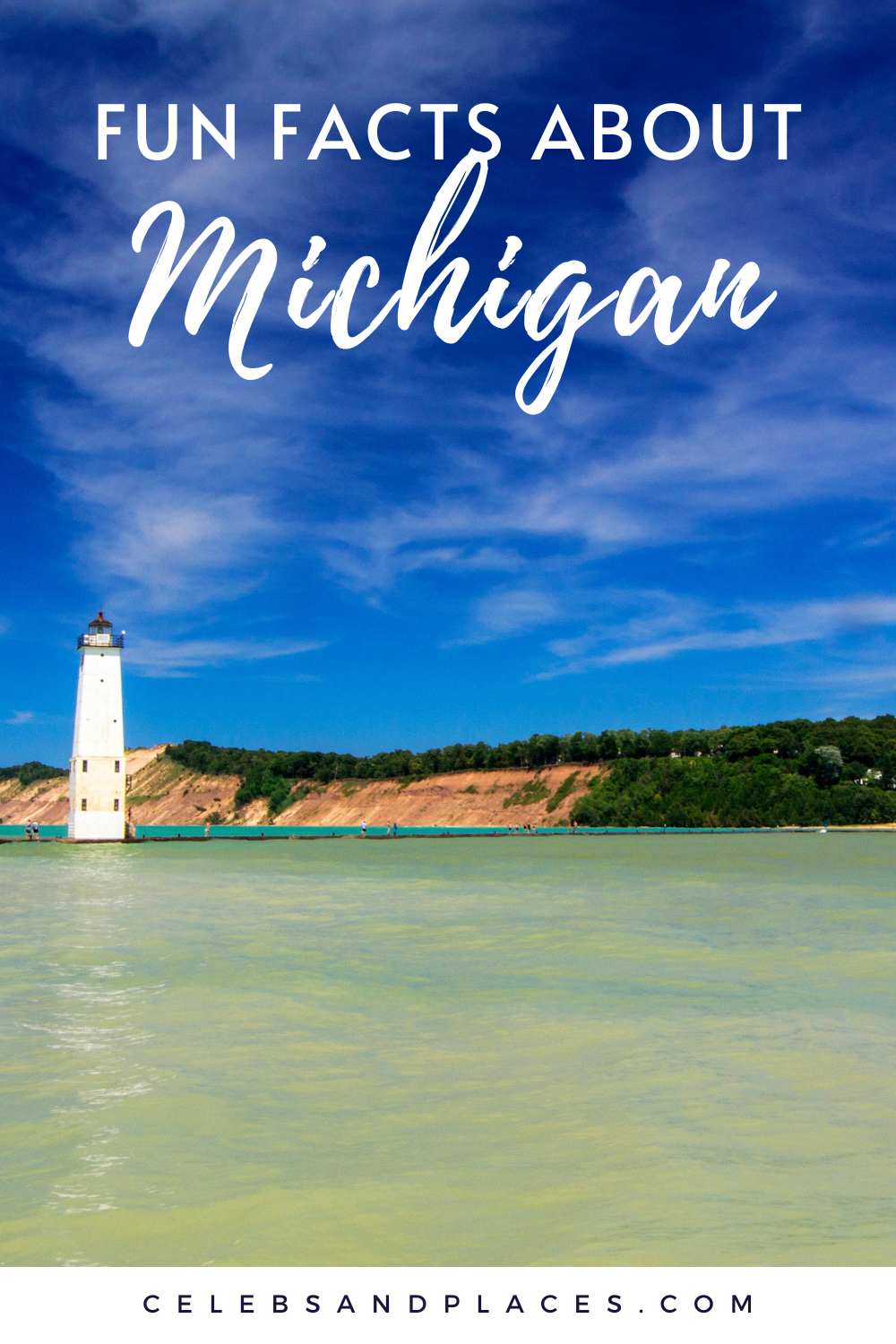
29. Michigan Has More Lighthouses Than Any State
Over 120 lighthouses dot Michigan’s extensive coastline, more than any other state. These structures guided Great Lakes shipping for generations and now serve as museums, bed-and-breakfasts, and tourist attractions.
30. Isle Royale Is One of America’s Least-Visited National Parks
Isle Royale National Park, a remote wilderness island in Lake Superior, receives fewer than 30,000 visitors annually despite its stunning beauty. The park’s isolation preserves pristine wilderness and a unique wolf-moose ecosystem.
Final Thoughts
Michigan exists as America’s forgotten frontier, a place where industrial might and natural beauty coexist in uneasy partnership, where urban decay and wilderness solitude live hours apart, and where the past’s glory days cast long shadows over an uncertain future. The state that once represented American manufacturing’s apex now grapples with reinvention, yet Michigan’s geographic advantages endure regardless of economic cycles. Those Great Lakes aren’t going anywhere, the sand dunes will outlast any recession, and the fresh water becomes more valuable each year. Understanding Michigan requires abandoning simple narratives about Rust Belt decline or Midwestern wholesomeness and embracing the state’s contradictions: it’s both automotive powerhouse and vacation paradise, both Motor City and Motown, both Lower Peninsula suburbs and Upper Peninsula wilderness. The mitten-shaped peninsula and its northern companion contain multitudes that defy reduction to soundbites or stereotypes. These facts scratch the surface of a state that gave America the assembly line, Motown, and breakfast cereal while harboring some of the continent’s most pristine freshwater coastline. Michigan may not dominate headlines like it once did, but anyone who dismisses it as flyover country simply hasn’t been paying attention to everything happening along those 3,288 miles of shoreline.