
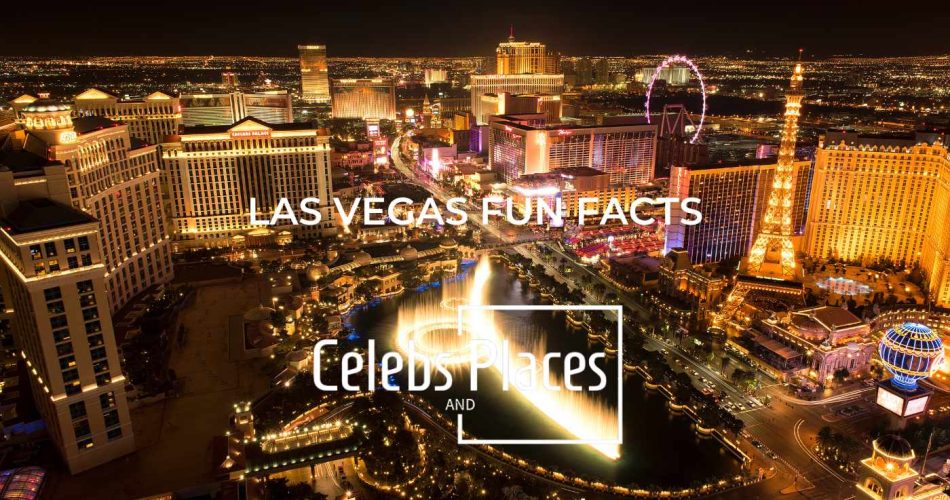
They say what happens in Vegas stays in Vegas, but the city’s wild history, outrageous statistics, and mind-bending facts deserve to be shouted from the rooftops. Born from a dusty railroad stop in the Mojave Desert, Las Vegas transformed itself into the entertainment capital of the world through sheer audacity, mob money, nuclear bombs, and an unwavering commitment to excess. This is a city where casinos pump oxygen through ventilation systems, where you can get married at 3 AM by Elvis, and where the Eiffel Tower stands blocks away from an Egyptian pyramid. While most cities grew organically over centuries, Vegas was deliberately constructed to separate visitors from reality and their money, creating an adult playground unlike anywhere else on Earth. The story of how a remote desert outpost became a glittering neon oasis reveals truths stranger than any fiction Hollywood could invent.
30 Incredible Facts about Las Vegas
Desert Beginnings and Early Las Vegas History
1. Las Vegas Means “The Meadows” in Spanish
Spanish traders named the area “Las Vegas” (the meadows) in 1829 because natural springs created rare green meadows in the desert. These artesian wells made the location a vital watering stop along the Old Spanish Trail between Santa Fe and Los Angeles.
2. The Mob Built Modern Las Vegas
Notorious gangster Bugsy Siegel opened the Flamingo Hotel in 1946, establishing the template for the modern Las Vegas Strip. While Siegel was murdered in 1947, his vision attracted other organized crime figures who built the casinos that defined Vegas for decades.
3. Las Vegas Was Nearly a Religious Community
Mormon settlers established the first non-native settlement in the Las Vegas Valley in 1855, building a fort to serve as a waystation and protect the mail route. They abandoned the settlement after just three years due to conflicts with Native Americans and harsh conditions.
4. Gambling Was Illegal, Then Legal, Then Illegal Again
Nevada outlawed gambling in 1910, trying to shed its Wild West image. When the Great Depression devastated the economy, the state relegalized gambling in 1931, desperate for tax revenue. This decision would reshape Nevada’s entire identity and economy.
5. Hoover Dam Workers Built the First Casino Boom
Construction of the Hoover Dam from 1931 to 1936 brought thousands of workers to the area, creating Las Vegas’s first major economic boom. Casinos and entertainment venues sprang up to serve these workers, establishing Vegas as a destination for adult entertainment.
Las Vegas Casinos and Gaming Culture
6. There Are No Clocks in Casinos
Las Vegas casinos famously lack visible clocks and windows, deliberately designed to disorient visitors and eliminate awareness of time passing. The strategy encourages longer gambling sessions by creating an eternal present where hours disappear unnoticed.
7. Casino Carpets Use Intentionally Ugly Patterns
Those garish, dizzyingly complex carpet patterns aren’t accidents; they’re strategic choices designed to keep your eyes looking up at slot machines and gaming tables rather than down at the floor. The busy patterns also help hide stains and wear.
8. Casinos Pump Oxygen to Keep Gamblers Alert
While often debated, many believe casinos increase oxygen levels through ventilation systems to keep gamblers awake and gambling longer. Whether true or urban legend, the notion perfectly captures Vegas’s reputation for manipulating guests’ experiences.
9. The Venetian Is One of the World’s Largest Buildings
The Venetian Resort covers over 7 million square feet, making it one of the largest buildings on the planet. The complex includes a replica of Venice’s Grand Canal complete with gondola rides and singing gondoliers.
10. MGM Grand Was the World’s Largest Hotel
When it opened in 1993, the MGM Grand had 5,005 rooms, making it the world’s largest hotel. Today it has 6,852 rooms and remains one of the largest hotels globally, though other properties have since surpassed it.
Las Vegas Entertainment and Celebrity Culture
11. More Than 300 Weddings Happen Daily
Las Vegas hosts over 120,000 weddings annually, roughly 300 per day. The city’s marriage license bureau is the only one in Nevada open on holidays and weekends, and many chapels operate 24/7 for impulsive couples.
12. Elvis Never Performed on the Strip Until 1969
Despite Elvis Presley’s association with Vegas, he didn’t perform on the Strip until 1969, after his movie career declined. His residency at the International Hotel (now the Westgate) revitalized both his career and the concept of the Vegas residency.
13. The Rat Pack Defined Vegas Cool
Frank Sinatra, Dean Martin, Sammy Davis Jr., Peter Lawford, and Joey Bishop performed together at the Sands Hotel in the 1960s, creating the legendary Rat Pack. Their shows epitomized Vegas sophistication and attracted Hollywood’s elite.
14. Liberace Was Vegas’s First Million-Dollar Performer
Flamboyant pianist Liberace became the first performer to earn over $1 million for a single engagement in Las Vegas during the 1950s. His over-the-top costumes and theatrical performances set the standard for Vegas showmanship.
15. Cirque du Soleil Transformed Vegas Entertainment
When Cirque du Soleil brought “Mystère” to Las Vegas in 1993, it revolutionized Vegas entertainment beyond traditional showgirls and lounge acts. Today, multiple Cirque shows run simultaneously in Vegas, attracting audiences seeking sophisticated entertainment.
Atomic Las Vegas and Nuclear Testing
16. Nuclear Bombs Were Tourist Attractions
From 1951 to 1962, the U.S. government conducted 100 atmospheric nuclear tests at the Nevada Test Site, just 65 miles from Las Vegas. Hotels hosted “atomic bomb parties” on rooftops where guests watched mushroom clouds rise over the desert while sipping cocktails.
17. Miss Atomic Bomb Was a Real Beauty Pageant
In 1957, Las Vegas held the “Miss Atomic Bomb” beauty pageant, with the winner crowned while wearing a mushroom cloud-shaped cotton costume. The event exemplified the city’s bizarre embrace of nuclear testing as entertainment.
18. Fallout Settled on the Strip
Radioactive fallout from nuclear tests regularly dusted Las Vegas with contamination. Despite known health risks, the city’s boosters downplayed dangers, insisting radiation was harmless while promoting atomic tourism as a unique attraction.
19. Underground Testing Continued for Decades
Even after atmospheric testing ended in 1962, underground nuclear tests continued at the Nevada Test Site until 1992. More than 800 underground tests were conducted, occasionally causing tremors felt in Las Vegas casinos.
The Las Vegas Strip’s Architectural Marvels
20. The Strip Isn’t Actually in Las Vegas
The famous Las Vegas Strip is technically located in the unincorporated towns of Paradise and Winchester, not within Las Vegas city limits. This arrangement benefits property owners who avoid city taxes while still using the Vegas name.
21. The Luxor Pyramid’s Light Beam Is Visible from Space
The Luxor Hotel’s sky beam, shooting from the apex of its 30-story pyramid, uses 42.3 billion candlepower and is the strongest beam of light in the world. Pilots can reportedly see it from 275 miles away, and NASA has confirmed it’s visible from space.
22. The Bellagio Fountains Use Lake Water
The iconic Bellagio Fountains, featuring choreographed water shows set to music, use an 8-acre artificial lake holding 22 million gallons. The fountains shoot water up to 460 feet high and feature over 1,200 nozzles and 4,500 lights.
23. New York-New York Has a Roller Coaster
The New York-New York Hotel features a roller coaster that winds around a replica Manhattan skyline, reaching speeds of 67 mph. The coaster simulates a Manhattan taxi ride complete with near-misses and sharp banking turns.
24. The Stratosphere Tower Is America’s Tallest Freestanding Observation Tower
At 1,149 feet, the Stratosphere Tower is the tallest freestanding observation tower in the United States. The top features thrill rides including the SkyJump, a controlled free fall from 855 feet above the Strip.
Modern Las Vegas Statistics and Records
25. Las Vegas Has More Hotel Rooms Than Any U.S. City
With over 150,000 hotel rooms, Las Vegas has more accommodations than any other American city. The top 15 largest hotels in the United States are all located in or near Las Vegas.
26. McCarran Airport Hosts Slot Machines
Las Vegas’s McCarran International Airport is one of the few airports in the world with slot machines in its terminals. Over 1,300 slot machines greet passengers, allowing gambling the moment you land until the moment you depart.
27. The City Consumes Enormous Amounts of Electricity
Las Vegas uses more electricity per capita than any other U.S. city, powering millions of neon lights, air conditioning systems in the desert heat, and countless slot machines running 24/7. The Strip alone uses enough electricity to power 400,000 homes.
28. “Welcome to Fabulous Las Vegas” Sign Is a Historic Landmark
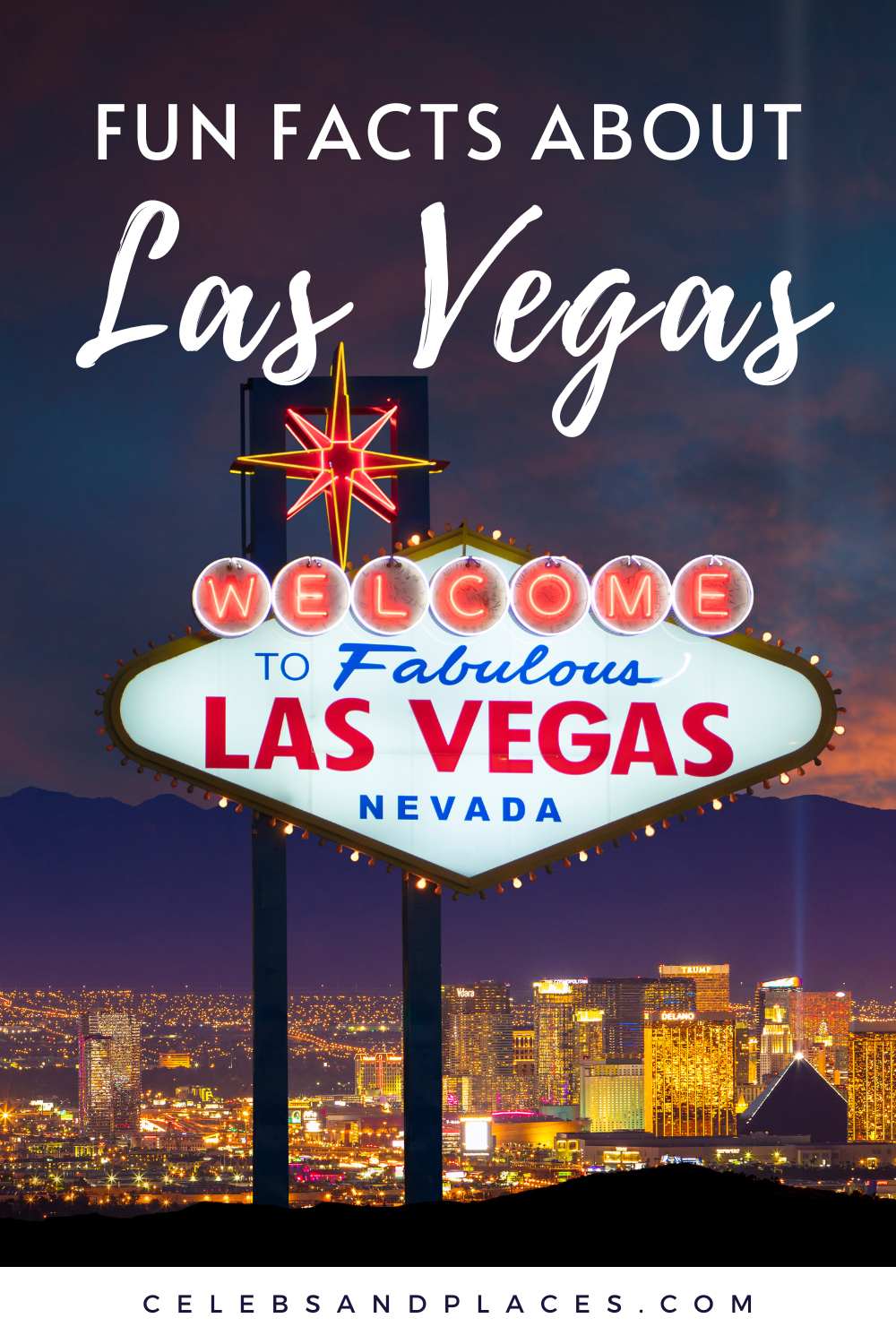
The iconic “Welcome to Fabulous Las Vegas Nevada” sign, designed by Betty Willis in 1959, has become one of America’s most photographed landmarks. The sign is in the public domain; Willis never copyrighted her design.
29. Las Vegas Hosts 42 Million Visitors Annually
More than 42 million tourists visit Las Vegas each year, generating over $60 billion in economic impact. The city’s economy depends almost entirely on tourism, conventions, and entertainment.
30. Lake Mead Provides Las Vegas’s Water
Las Vegas gets 90% of its water supply from Lake Mead, created by the Hoover Dam. As the lake has shrunk to historic lows due to drought, the city has implemented aggressive water conservation and developed advanced water recycling systems.
Final Thoughts
Las Vegas exists as pure American ambition distilled into 135 square miles of desert real estate, where the normal rules of taste, time, and reasonable behavior are suspended. From its origins serving dam workers and attracting mobsters to its current status as a 42-million-visitor global destination, the city has always embraced whatever worked, regardless of how absurd it seemed. Nuclear bombs as entertainment? Sure. Pumping oxygen to keep gamblers awake? Why not. Building Paris, Venice, ancient Egypt, and New York within walking distance of each other? Absolutely. These facts barely scratch the surface of a place where excess isn’t just accepted but celebrated as the entire business model. Vegas thrives because it offers something no other American city dares to provide: complete permission to abandon who you usually are for a few days. The house may always win, but visitors keep coming back because nowhere else lets them play the game quite so spectacularly. In a country built on reinvention and risk-taking, Las Vegas is the ultimate expression of both impulses, proving that sometimes the most ridiculous ideas become the most successful.


