
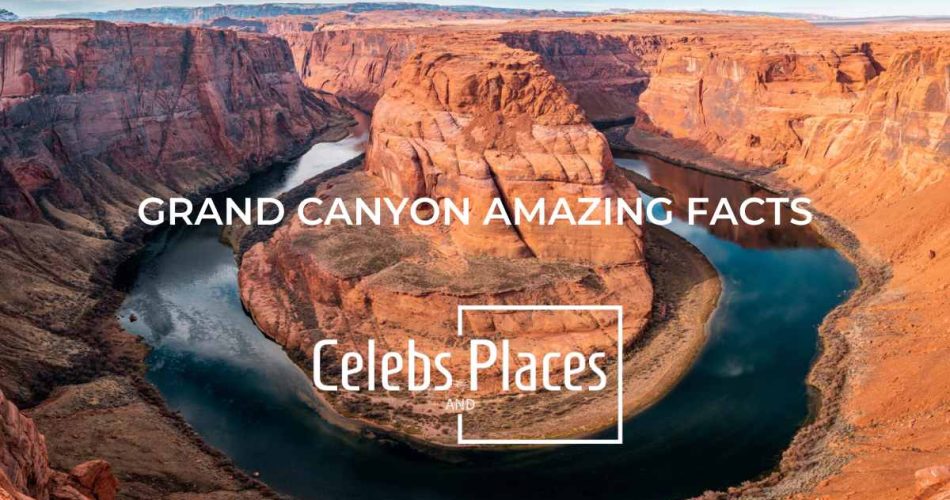
Standing at the rim of the Grand Canyon for the first time short-circuits the human brain. Photographs fail catastrophically to capture the immensity, the depth, the impossible scale of this 277-mile-long wound in the Earth’s surface. The Colorado River spent six million years carving through rock layers that document two billion years of geological history, creating a chasm so vast that it generates its own weather systems and harbors ecosystems ranging from the Sonoran Desert to the Canadian boreal forest within its mile-deep walls. This isn’t just a big hole in Arizona; it’s a time machine exposing the planet’s secrets, a cathedral of stone that makes humanity feel appropriately insignificant, and a testament to water’s patient power to reshape landscapes given enough millennia. Native Americans considered it sacred long before European explorers “discovered” it, and modern visitors from every nation on Earth make pilgrimages to witness what Theodore Roosevelt called one of the great sights every American should see. The Grand Canyon’s statistics overwhelm—277 miles long, up to 18 miles wide, a mile deep—yet numbers can’t convey the visceral experience of peering into an abyss that reveals Earth’s autobiography written in stone.
30 Astonishing Facts about the Grand Canyon
Grand Canyon Geology and Formation
1. The Grand Canyon Is 6 Million Years Old
While the rock layers exposed in the Grand Canyon date back nearly two billion years, the canyon itself is a relatively young geological feature at approximately 6 million years old. The Colorado River carved this massive gorge through millennia of erosion.
2. Rock Layers Tell Two Billion Years of History
The exposed rock layers in the Grand Canyon walls represent nearly two billion years of Earth’s geological history. Each distinct layer reveals different ancient environments from seas to deserts to mountain ranges that existed long before the canyon formed.
3. The Vishnu Schist Is Nearly Two Billion Years Old
At the bottom of the Grand Canyon, the Vishnu Schist represents some of Earth’s oldest exposed rock, dating back 1.7 to 2 billion years. This dark, metamorphic rock formed deep underground before being exposed by erosion.
4. The Great Unconformity Represents Missing Time
A massive gap in the geological record, called the Great Unconformity, exists where 250-million-year-old rock sits directly atop 1.2-billion-year-old rock. This missing billion years represents one of geology’s great mysteries.
5. The Colorado River Carved the Canyon
The Colorado River, flowing from the Rocky Mountains to the Gulf of California, carved the Grand Canyon through its relentless erosive power. The river drops approximately 2,000 feet in elevation through the canyon’s length.
Grand Canyon Size and Scale
6. The Grand Canyon Stretches 277 Miles Long
From Lees Ferry to the Grand Wash Cliffs, the Grand Canyon extends 277 miles through northern Arizona. Most visitors see only small portions of this enormous canyon system.
7. The Canyon Reaches 18 Miles Wide
At its widest point, the Grand Canyon measures 18 miles from rim to rim. The North Rim and South Rim, though visible from each other, require a 220-mile drive or a challenging rim-to-rim hike to cross.
8. Depths Exceed One Mile
The Grand Canyon plunges more than one mile deep at its deepest points, with the distance from rim to river measuring over 6,000 feet in some locations. This vertical drop creates dramatic elevation changes and climate zones.
9. The Grand Canyon Isn’t the Deepest Canyon
Despite its fame, the Grand Canyon isn’t the world’s deepest canyon. Both Hells Canyon in Idaho and Oregon and several canyons in Tibet exceed the Grand Canyon’s depth, though none match its overall scale and grandeur.
10. Five Million People Visit Annually
The Grand Canyon attracts approximately five million visitors each year, making it one of America’s most visited national parks. Most tourists concentrate on the easily accessible South Rim.
Grand Canyon National Park History
11. Theodore Roosevelt Made It a National Monument
President Theodore Roosevelt designated the Grand Canyon a National Monument in 1908, calling it “the one great sight which every American should see.” It became a national park in 1919.
12. Native Americans Have Lived Here for Thousands of Years
Archaeological evidence shows continuous human habitation in the Grand Canyon region for at least 12,000 years. Multiple tribes including the Havasupai, Hualapai, Navajo, Hopi, and Paiute maintain cultural and spiritual connections to the canyon.
13. The Havasupai Tribe Still Lives in the Canyon
The Havasupai people live in Supai, a village at the bottom of the Grand Canyon accessible only by foot, mule, or helicopter. Their reservation includes the spectacular Havasu Falls, one of the canyon’s most beautiful features.
14. Spanish Conquistadors First Saw It in 1540
Spanish explorer García López de Cárdenas and his expedition became the first Europeans to view the Grand Canyon in 1540 while searching for the fabled Cities of Gold. They correctly judged it impassable.
15. John Wesley Powell Led the First River Expedition
In 1869, one-armed Civil War veteran John Wesley Powell led the first documented expedition down the Colorado River through the Grand Canyon. His journey took three months and provided crucial scientific observations.
Grand Canyon Wildlife and Ecosystems
16. Five Ecosystems Exist Within the Canyon
The Grand Canyon’s extreme elevation changes create five distinct ecosystems ranging from Sonoran Desert at the bottom to Canadian-zone boreal forest at the North Rim’s highest elevations. This diversity supports incredible biodiversity.
17. Over 1,700 Plant Species Grow Here
Despite the harsh desert environment, over 1,700 plant species thrive within Grand Canyon National Park. The variety reflects different elevation zones and microclimates within the canyon.
18. California Condors Soar Above the Canyon
The critically endangered California condor, North America’s largest bird with a 9.5-foot wingspan, has been successfully reintroduced to the Grand Canyon. Visitors can often spot these massive vultures soaring on thermal updrafts.
19. Bighorn Sheep Navigate Impossible Cliffs
Desert bighorn sheep inhabit the Grand Canyon’s steep walls, navigating cliffs that appear impossible to climb. Their specialized hooves and incredible agility allow them to escape predators on sheer rock faces.
20. The Grand Canyon Has Its Own Pink Rattlesnake
The Grand Canyon rattlesnake, a pink subspecies found nowhere else on Earth, inhabits the canyon’s rocky terrain. This beautiful snake represents one of several species unique to the Grand Canyon ecosystem.
Grand Canyon Adventures and Experiences
21. Hiking Rim-to-Rim Is an Epic Challenge
The rim-to-rim hike across the Grand Canyon covers 21-24 miles depending on route and descends one mile before ascending another mile. This grueling hike challenges even experienced hikers and requires careful preparation.
22. Bright Angel Trail Is the Most Popular Route
The Bright Angel Trail, the Grand Canyon’s most popular hiking path, descends 4,380 feet over 9.5 miles to the Colorado River. Originally a Havasupai route, it was improved for tourism in the early 1900s.
23. Mule Rides Have Carried Visitors Since 1901
Mule rides to the canyon bottom have operated since 1901, providing a unique way to experience the Grand Canyon’s depths. These sure-footed animals navigate narrow trails with remarkable safety records.
24. White-Water Rafting Adventures Last Two Weeks
Colorado River rafting trips through the Grand Canyon typically last 12-18 days, covering 226 miles and navigating numerous rapids. These expeditions provide intimate access to the canyon’s remote inner sanctum.
25. The Skywalk Extends 70 Feet Beyond the Rim
The Grand Canyon Skywalk, a horseshoe-shaped glass bridge on Hualapai tribal land, extends 70 feet beyond the canyon rim with a transparent floor 4,000 feet above the canyon floor. This engineering marvel opened in 2007.
Grand Canyon Science and Phenomena
26. The Canyon Creates Its Own Weather
The Grand Canyon’s immense size and elevation changes create localized weather systems. Temperatures can vary by 25 degrees Fahrenheit between rim and river, with the North Rim receiving significantly more precipitation than the South Rim.
27. Flash Floods Remain a Serious Danger
Despite the arid climate, flash floods pose significant dangers in the Grand Canyon. Rainfall miles away can send walls of water through narrow side canyons with little warning, creating deadly conditions.
28. Fossils Document Ancient Seas
Fossil-rich limestone layers in the Grand Canyon walls preserve evidence of ancient seas that covered the region hundreds of millions of years ago. Marine fossils including brachiopods, crinoids, and corals appear throughout the upper layers.
29. The North Rim Is 1,000 Feet Higher Than the South Rim
The North Rim sits at 8,000 feet elevation, approximately 1,000 feet higher than the South Rim. This elevation difference creates a cooler, wetter climate that supports different vegetation and closes the North Rim during winter.
30. Uranium Mining Threatens the Canyon
Uranium deposits near the Grand Canyon have sparked controversy over mining proposals that could threaten water quality in the Colorado River and canyon springs. Environmental protection of this natural wonder remains an ongoing challenge.
Final Thoughts
The Grand Canyon proves that some experiences resist translation into words or images. You can recite statistics about its length, width, and depth, catalog its geological layers and endemic species, trace human history from ancient pueblos to modern tourism, yet none of this preparation diminishes the shock of witnessing that first view. The canyon humbles us precisely because it demonstrates what time and water can accomplish without human assistance, what beauty emerges from destruction, how insignificant human timescales appear against geological deep time. Those two billion years of rock layers put humanity’s brief appearance in perspective—we’re barely a footnote in Earth’s autobiography, late arrivals gawking at processes that operated for eons before consciousness existed to appreciate them. Modern threats from climate change to uranium mining to overtourism test whether we possess the wisdom to protect what we didn’t create and can’t replace. The Grand Canyon’s greatest lesson might be its reminder that some things matter more than economic exploitation, that preservation serves purposes deeper than profit, that future generations deserve the same opportunities for wonder that drew Roosevelt and millions of others to stand speechless at the rim. These facts sketch the outline of something too large for complete comprehension, too ancient for full understanding, too beautiful for adequate description. The Grand Canyon exists as nature’s cathedral, a sacred space whether you practice religion or not, a place where the proper response is silence and reverence before forces that dwarf human ambition.


