
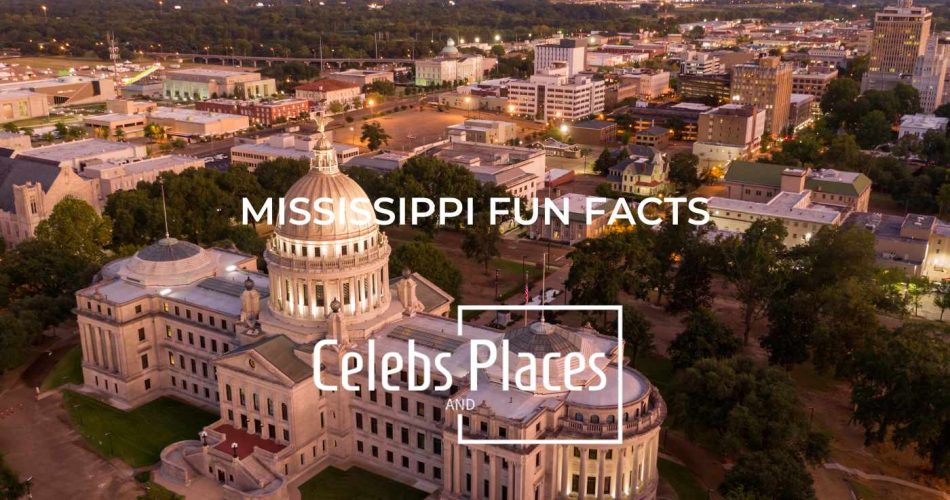
Mississippi carries more weight than any state of its size should bear. Named after the mighty river defining its western border, this Deep South state conjures immediate associations with cotton fields, blues music, and a complicated civil rights history that continues shaping American identity. Yet beneath those familiar narratives lies a Mississippi most people never encounter: a birthplace of American music that extends far beyond the blues, a literary powerhouse that produced more acclaimed writers per capita than anywhere else, and a landscape where ancient Native American mounds predate European contact by millennia. The poorest state in the nation paradoxically gave America some of its richest cultural treasures, creating an irony that defines Mississippi’s entire existence. Understanding this state requires looking past headlines and stereotypes to discover the unexpected truths hiding in the Mississippi Delta’s flat expanses, the pine forests of the south, and the Gulf Coast beaches that surprise anyone expecting only landlocked poverty.
30 Eye-Opening Facts about Mississippi
Mississippi River and Geographic Foundations
1. The Mississippi River Isn’t Just Water
The Mississippi River, which gives the state its name, derives from the Ojibwe word “misi-ziibi” meaning “great river.” This 2,340-mile waterway serves as the state’s western boundary and has shaped American commerce, culture, and history for centuries.
2. Mississippi Has Gulf Coast Beaches
Contrary to popular belief, Mississippi has 62 miles of Gulf of Mexico coastline featuring white sand beaches. The Gulf Coast cities of Biloxi and Gulfport offer beach resorts, casinos, and seafood that surprise visitors expecting only landlocked countryside.
3. The Delta Isn’t Actually a Delta
The Mississippi Delta, the state’s most famous region, isn’t a true delta at all. This flat, fertile floodplain between the Mississippi and Yazoo Rivers earned its nickname from its triangular shape and rich soil, but geologists classify it as an alluvial plain.
4. Vicksburg Changed the Civil War
The Siege of Vicksburg in 1863 gave Union forces control of the Mississippi River, effectively splitting the Confederacy. President Lincoln called Vicksburg “the key” to winning the Civil War, and its fall on July 4th became a turning point in American history.
5. Ancient Mounds Predate European Contact
Native Americans built massive earthen mounds throughout Mississippi between 800 and 1600 CE. The Emerald Mound near Natchez, the third-largest pre-Columbian earthwork in North America, demonstrates sophisticated engineering and social organization centuries before European arrival.
The Birthplace of American Music
6. The Blues Was Born in the Mississippi Delta
The Mississippi Delta gave birth to the blues, America’s most influential musical form. African American sharecroppers and laborers created this music from field hollers, work songs, and spirituals, fundamentally shaping rock, jazz, and popular music worldwide.
7. Robert Johnson Allegedly Sold His Soul at the Crossroads
Blues legend Robert Johnson supposedly sold his soul to the devil at the crossroads of Highways 61 and 49 in Clarksdale, Mississippi, in exchange for musical genius. While mythical, this story captures the Delta blues’ mysterious, transformative power.
8. B.B. King, Muddy Waters, and John Lee Hooker All Came from Mississippi
Mississippi produced an astounding roster of blues legends including B.B. King, Muddy Waters, John Lee Hooker, Howlin’ Wolf, and countless others. These musicians migrated north during the Great Migration, bringing Delta blues to Chicago and transforming American music.
9. Elvis Presley Was Born in Tupelo
The King of Rock and Roll was born in a two-room shotgun house in Tupelo, Mississippi, in 1935. Elvis grew up absorbing gospel, country, and blues influences that shaped his revolutionary musical fusion.
10. Country Music Has Deep Mississippi Roots
Beyond blues, Mississippi produced country music pioneers including Jimmie Rodgers, the “Father of Country Music,” from Meridian. Tammy Wynette, Charley Pride, and Faith Hill also hail from Mississippi.
Literary Giants and Cultural Achievements
11. William Faulkner Created Yoknapatawpha County
Nobel Prize winner William Faulkner, from Oxford, Mississippi, created the fictional Yoknapatawpha County as the setting for most of his novels. His dense, experimental prose explored Southern identity, race, and history with unmatched depth.
12. Tennessee Williams, Eudora Welty, and Richard Wright All Came from Mississippi
Mississippi produced an extraordinary concentration of literary giants including playwright Tennessee Williams, short story master Eudora Welty, and novelist Richard Wright. The state’s complex history provided rich material for exploring human nature.
13. John Grisham Writes Legal Thrillers from Mississippi
Bestselling author John Grisham, though born in Arkansas, grew up in Mississippi and practiced law there. Most of his legal thrillers are set in fictional Mississippi towns, drawing from his experiences in the state’s courtrooms.
14. Oprah Winfrey Spent Her Childhood in Mississippi
Media mogul Oprah Winfrey was born in rural Mississippi and spent her early childhood with her grandmother in Kosciusko. These formative years in poverty shaped her understanding of struggle and resilience.
Mississippi Agriculture and Natural Resources
15. Cotton Once Ruled Mississippi’s Economy
Cotton dominated Mississippi’s economy from the antebellum period through the mid-20th century, creating immense wealth for plantation owners while enslaving and later exploiting Black laborers. This “King Cotton” legacy still influences the state’s demographics and politics.
16. Catfish Farming Is a Major Industry
Mississippi produces more farm-raised catfish than any other state, accounting for over 50% of U.S. catfish production. The industry employs thousands in the Delta region where cotton once reigned supreme.
17. The State Tree Is the Magnolia
The magnolia tree, with its large white blossoms and glossy evergreen leaves, serves as Mississippi’s state tree and inspired the nickname “The Magnolia State.” These trees thrive throughout the state’s warm, humid climate.
18. Kudzu Covers Everything
The invasive kudzu vine, introduced from Japan in the 1930s to prevent soil erosion, now covers over two million acres in Mississippi. This aggressive plant can grow a foot per day, smothering trees, abandoned buildings, and anything stationary.
Mississippi’s Civil Rights Legacy
19. Medgar Evers Was Assassinated in Jackson
Civil rights leader Medgar Evers was murdered outside his Jackson home in 1963 by white supremacist Byron De La Beckwith. Evers’ assassination galvanized the civil rights movement, though justice took 30 years when Beckwith was finally convicted in 1994.
20. Freedom Summer Transformed Mississippi
In 1964, hundreds of volunteers came to Mississippi for Freedom Summer, registering Black voters and establishing Freedom Schools. The murder of activists James Chaney, Andrew Goodman, and Michael Schwerner shocked the nation and accelerated civil rights legislation.
21. James Meredith Integrated Ole Miss
In 1962, James Meredith became the first African American student admitted to the University of Mississippi, requiring 500 U.S. Marshals and thousands of troops to enforce his admission against violent white opposition. His courage helped dismantle segregation in Southern education.
22. Emmett Till’s Murder Sparked National Outrage
The brutal 1955 murder of 14-year-old Emmett Till in Money, Mississippi, for allegedly whistling at a white woman, became a catalyst for the civil rights movement. His mother’s decision to hold an open-casket funeral exposed the horrors of racial violence.
Modern Mississippi Surprises
23. Biloxi and Gulfport Have Major Casino Resorts
Following Hurricane Katrina’s devastation in 2005, Mississippi’s Gulf Coast rebuilt with major casino resorts that rival Las Vegas properties. Gaming generates significant tax revenue and employment along the coast.
24. NASA Tests Rocket Engines in Mississippi
The Stennis Space Center in Hancock County tests rocket engines for NASA, including those that powered the Space Shuttle and now the Space Launch System. This high-tech facility contrasts sharply with Mississippi’s low-tech stereotypes.
25. Mississippi Has the Lowest Cost of Living
Mississippi consistently ranks as America’s most affordable state, with housing costs far below the national average. A dollar stretches further in Mississippi than anywhere else in the country.
26. The State Produces Award-Winning Bourbon
Cathead Distillery in Jackson and other Mississippi craft distilleries produce award-winning spirits, challenging Kentucky’s bourbon dominance. The state’s cocktail culture has deep roots in pre-Prohibition saloons.
27. Mississippi’s Gulf Islands Are Hidden Gems
The Mississippi barrier islands, including Ship Island and Horn Island, offer pristine beaches, wildlife sanctuaries, and historic Fort Massachusetts. These islands remain relatively undiscovered compared to Florida’s crowded beaches.
Mississippi Firsts and Records
28. Root Beer Was Invented in Mississippi
Edward Adolf Barq Sr. invented Barq’s Root Beer in Biloxi in 1898, creating one of America’s iconic soft drinks. The beverage’s “bite” distinguished it from competitors and built a loyal following.
29. The First Heart Transplant Doctor Was from Mississippi
Dr. James Hardy, working at the University of Mississippi Medical Center, performed the world’s first lung transplant in 1963 and the first heart transplant using a primate heart in 1964, advancing cardiac surgery.
30. Coca-Cola Was First Bottled in Mississippi
While Coca-Cola was invented in Atlanta, the first bottling plant opened in Vicksburg, Mississippi, in 1894. Joseph Biedenharn saw the potential for bottling the fountain drink, revolutionizing the beverage industry.
Final Thoughts
Mississippi defies comfortable narratives. It’s simultaneously the birthplace of America’s most vital music and a symbol of America’s original sin. It produced literary masters who won Nobel Prizes while maintaining education systems that consistently rank last nationally. It gave the world Elvis Presley and B.B. King, Oprah Winfrey and William Faulkner, yet remains America’s poorest state. These contradictions don’t cancel each other out; they define Mississippi’s essence. The state’s profound contributions to American culture emerged from and despite its troubled history, creating art and music from oppression, literature from pain, and resilience from poverty. Understanding Mississippi means accepting that both truths coexist: it harbors America’s worst impulses while producing some of its greatest treasures. The blues wouldn’t exist without the Delta’s suffering, Faulkner couldn’t have written his masterpieces anywhere else, and the civil rights movement needed Mississippi’s cruelty to catalyze national change. These facts reveal a state more complex than stereotypes allow, more influential than its poverty suggests, and more essential to understanding America than most people recognize. Mississippi remains what it’s always been: uncomfortable, undeniable, and utterly American.


