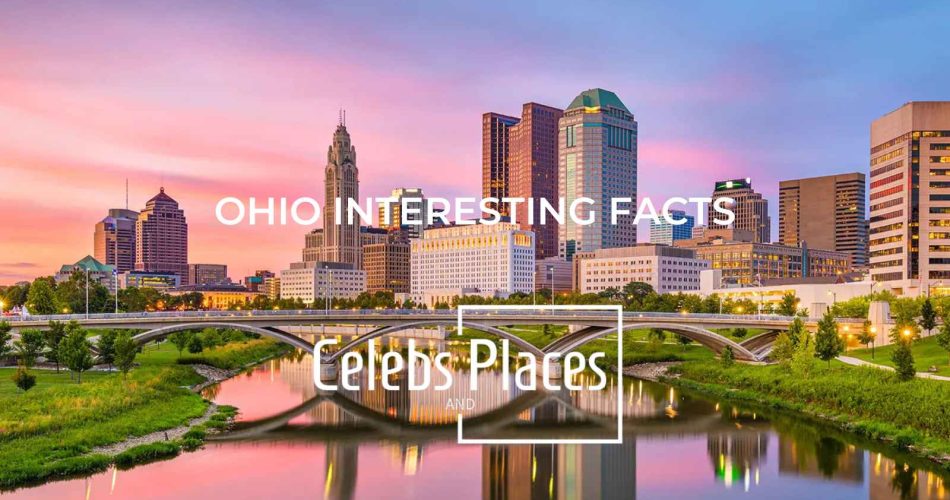
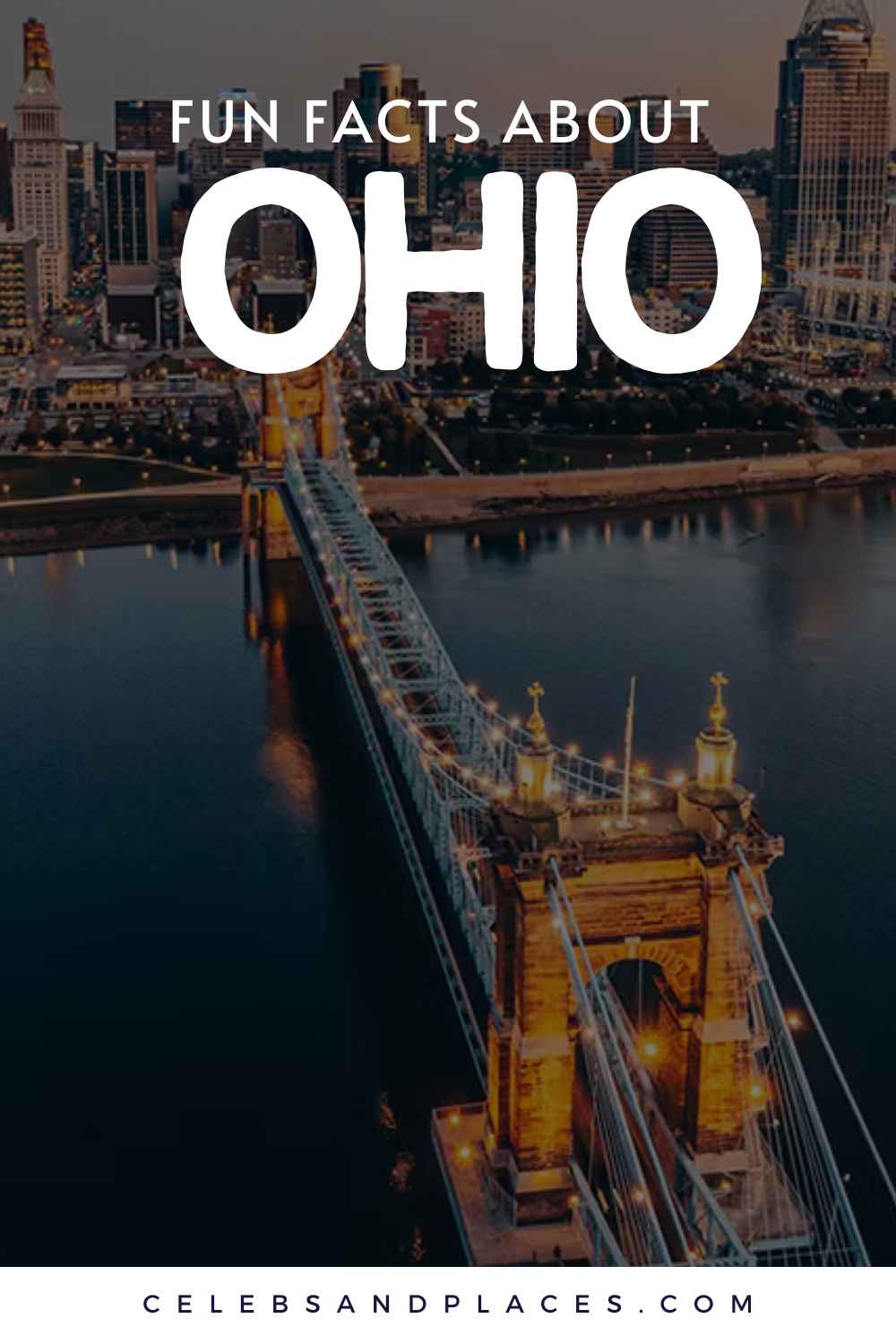
Seven presidents, the Wright Brothers, Neil Armstrong, Thomas Edison, and the Rock and Roll Hall of Fame all share one unlikely birthplace: Ohio. This Midwestern rectangle bordering Lake Erie doesn’t immediately scream “cradle of innovation and leadership,” yet the Buckeye State has shaped American history, culture, and industry in ways vastly disproportionate to its size or natural resources. Ohio sits at the intersection of everything American: geographically centered between East and West, economically balanced between manufacturing and agriculture, politically split between urban progressivism and rural conservatism. This positioning made Ohio the ultimate swing state, the place where presidential campaigns live or die, where demographic trends appear before spreading nationwide, where American normalcy gets defined. From Cincinnati’s brewing traditions to Cleveland’s comeback story, from Columbus’s rapid growth to the Rust Belt decline visible in smaller cities, Ohio contains multitudes that resist simple categorization. The state motto, “With God, All Things Are Possible”, reflects both sincere faith and pragmatic optimism necessary for a place that’s been ground zero for industrial decline, opioid crisis, and economic transformation, while somehow continuing to produce astronauts, presidents, and cultural icons.
30 Interesting Facts about Ohio
Ohio’s Presidential Legacy
1. Ohio Produced Seven U.S. Presidents
Seven U.S. presidents were born in Ohio: Ulysses S. Grant, Rutherford B. Hayes, James A. Garfield, Benjamin Harrison, William McKinley, William Howard Taft, and Warren G. Harding. Only Virginia has produced more presidents (eight, including four of the first five).
2. “Mother of Modern Presidents” Dominated Late 19th Century
Between 1869 and 1923, Ohio natives occupied the White House for 44 of 54 years, earning the state its nickname as the “Mother of Modern Presidents.” This extraordinary run reflected Ohio’s political influence during America’s industrialization.
3. William McKinley’s Assassination Changed Secret Service
President William McKinley was assassinated in Buffalo, New York, in 1901, prompting permanent Secret Service protection for presidents. McKinley’s presidency and death marked the transition from the Gilded Age to the Progressive Era.
4. Warren G. Harding Had the Worst Presidency
Warren G. Harding, an Ohio newspaper publisher, is consistently ranked among America’s worst presidents due to corruption scandals including Teapot Dome. His administration became synonymous with political corruption despite his personal popularity.
Ohio’s Aviation Pioneers
5. The Wright Brothers Invented Powered Flight in Ohio
Wilbur and Orville Wright, Dayton bicycle shop owners, invented and built the first successful airplane. Though their famous first flight occurred at Kitty Hawk, North Carolina, they designed, built, and tested it in Dayton.
6. Dayton Calls Itself the Birthplace of Aviation
Dayton legitimately claims to be aviation’s birthplace despite the first flight happening in North Carolina. The Wright Brothers conducted their research, development, and subsequent flights in Ohio, establishing Dayton’s aviation legacy.
7. Neil Armstrong Was the First Man on the Moon
Neil Armstrong, born in Wapakoneta, Ohio, became the first human to walk on the moon on July 20, 1969. His famous words “That’s one small step for man, one giant leap for mankind” were spoken by an Ohioan.
8. John Glenn Was the First American to Orbit Earth
John Glenn, from Cambridge, Ohio, became the first American to orbit Earth in 1962, then later became a U.S. Senator. He returned to space in 1998 at age 77, becoming the oldest person in space.
9. Twenty-Five Astronauts Came from Ohio
Ohio has produced 25 astronauts, more than any other state. This extraordinary number led to the joke that there’s something about Ohio that makes people want to leave the planet.
Ohio’s Role in Innovation and Industry
10. Thomas Edison Was Born in Milan, Ohio
Thomas Edison, history’s most prolific inventor with 1,093 patents, was born in Milan, Ohio, in 1847. His inventions including the phonograph, motion picture camera, and practical electric light bulb transformed modern life.
11. The First Professional Baseball Team Started in Cincinnati
The Cincinnati Red Stockings became baseball’s first openly all-professional team in 1869. This innovation transformed baseball from amateur sport to professional entertainment and established Cincinnati’s baseball legacy.
12. Akron Was the Rubber Capital of the World
Akron became the “Rubber Capital of the World” in the early 20th century, hosting Goodyear, Firestone, B.F. Goodrich, and General Tire. The tire industry made Akron prosperous before globalization moved production overseas.
13. Cleveland Had the First Electric Traffic Light
Cleveland installed the first electric traffic light in America on August 5, 1914, at the intersection of Euclid Avenue and East 105th Street. This innovation improved traffic safety and became standard worldwide.
14. Cincinnati Perfected Assembly Line Manufacturing
While Henry Ford gets credit for the assembly line, Cincinnati meatpacking plants pioneered disassembly line techniques in the 1870s that Ford later adapted for automobile production. Cincinnati’s slaughterhouses revolutionized industrial production.
Ohio’s Musical Heritage
15. The Rock and Roll Hall of Fame Is in Cleveland
Cleveland beat out other cities to host the Rock and Roll Hall of Fame, which opened in 1995. The museum honors rock music’s pioneers and evolution, attracting hundreds of thousands of visitors annually.
16. Cleveland DJ Alan Freed Popularized “Rock and Roll”
Cleveland disc jockey Alan Freed popularized the term “rock and roll” in the early 1950s and promoted the music to mainstream white audiences. His pioneering radio shows helped launch rock music’s golden age.
17. Dave Grohl, Marilyn Manson, and The Black Keys Are from Ohio
Ohio produced numerous rock stars including Dave Grohl (Foo Fighters), Marilyn Manson, The Black Keys, Nine Inch Nails, and Devo. This diverse roster reflects Ohio’s surprisingly influential music scene.
18. The National Underground Railroad Freedom Center Is in Cincinnati
Cincinnati’s National Underground Railroad Freedom Center documents slavery, the Underground Railroad, and modern struggles for freedom. Cincinnati’s location across from slave-state Kentucky made it a crucial escape route.
Ohio Geography and Natural Features
19. Lake Erie Provides Ohio with a Great Lakes Coast
Ohio’s 312-mile Lake Erie shoreline provides beaches, ports, and recreation. Cedar Point amusement park on Lake Erie’s shore is one of the world’s premier roller coaster destinations.
20. The Ohio River Forms the Southern Border
The Ohio River, flowing 981 miles from Pittsburgh to the Mississippi, forms Ohio’s entire southern border. This river was crucial to westward expansion and commerce throughout American history.
21. Ohio Has Over 50,000 Miles of Streams
Ohio contains over 50,000 miles of streams and rivers, creating extensive waterways throughout the state. These water features supported early settlement, industry, and continue providing recreation.
22. Cuyahoga Valley National Park Protects Urban Wilderness
Cuyahoga Valley National Park, between Cleveland and Akron, preserves 33,000 acres of forests, hills, and the Cuyahoga River. It’s one of few national parks near major metropolitan areas.
Ohio Sports Culture
23. Ohio State Football Is a Religion
Ohio State Buckeyes football attracts fanatical devotion, with 102,780-capacity Ohio Stadium (The Horseshoe) packed for every home game. The OSU-Michigan rivalry is college football’s most intense.
24. Cleveland Won the 2016 NBA Championship
The Cleveland Cavaliers’ 2016 NBA Championship, led by LeBron James, ended Cleveland’s 52-year championship drought across all major sports. The victory sparked citywide celebrations and became a cultural moment.
25. Cincinnati Hosted the First Professional Baseball World Series
Cincinnati’s baseball heritage extends beyond fielding the first professional team. The city hosted games in the first modern World Series and maintains a passionate baseball culture through the Reds.
26. Pro Football Hall of Fame Is in Canton
The Pro Football Hall of Fame in Canton honors NFL legends and preserves professional football history. Canton earned this honor as the birthplace of the NFL, founded there in 1920.
Ohio’s Cultural Contributions
27. Cedar Point Has More Roller Coasters Than Any Park
Cedar Point amusement park in Sandusky holds the record for most roller coasters at one park (17) and has consistently ranked among the world’s best amusement parks. Coaster enthusiasts make pilgrimages to the park.
28. Wendy’s, White Castle, and Bob Evans Started in Ohio
Ohio birthed multiple restaurant chains, including Wendy’s (Columbus), White Castle (Wichita, Kansas, but expanded from Columbus), and Bob Evans (Rio Grande). These chains spread Ohio food culture nationwide.
29. The Serpent Mound Is North America’s Largest Effigy Mound
Serpent Mound in Adams County, built by indigenous peoples around 1000 CE, is North America’s largest serpent effigy earthwork. This quarter-mile-long mound demonstrates sophisticated astronomical knowledge and cultural significance.
30. Ohio’s State Flag Is the Only Non-Rectangular State Flag
Ohio’s swallowtail-shaped flag, adopted in 1902, is the only non-rectangular U.S. state flag. Its unique design stands out among the 50 state flags with 13 stars representing the original colonies and 17 stars marking Ohio as the 17th state.
The Center Cannot Hold, But Somehow Does
Ohio’s geographic centrality became its defining characteristic and its ongoing challenge. Being in the middle made Ohio the bellwether, the place where America’s tensions played out first, where industrial prosperity and decline arrived in concentrated form, where every presidential campaign tested messages that would succeed or fail nationwide. The state that produced seven presidents and 25 astronauts, that invented flight and walked on the moon, also experienced Rust Belt devastation so severe that “Ohio” became shorthand for economic decline and opioid crisis. These contradictions coexist within the same borders where rock and roll found its hall of fame, where roller coasters reach world-record heights, where college football inspires religious devotion, and where a non-rectangular flag waves defiantly different from every other state. The statistics reveal a state that once defined American manufacturing and innovation, struggling to redefine itself for a post-industrial economy, where Cleveland and Cincinnati experience urban revival while smaller cities continue declining, where Columbus grows rapidly while rural areas empty out. Ohio’s presidential production dried up after 1923, the tire factories closed, the steel mills went silent, yet somehow the state continues mattering, continues swinging elections, and continues producing astronauts who literally escape Earth’s gravity. Maybe that’s the ultimate Ohio story: a place where leaving—whether for the moon, the presidency, or anywhere offering better prospects—becomes the greatest achievement while those who stay keep swinging between hope and despair, always positioned at the center even when the center struggles to hold.