

New York City isn’t just America’s largest metropolis; it’s a living, breathing paradox where centuries of history collide with cutting-edge innovation on every street corner. From its humble Dutch beginnings to its current status as the world’s financial and cultural capital, the Big Apple has collected more jaw-dropping stories, bizarre quirks, and mind-bending statistics than any other city on Earth. Whether you’re a lifelong New Yorker or planning your first visit, these surprising facts reveal the hidden layers of magic, madness, and mystery that make NYC utterly unlike anywhere else.
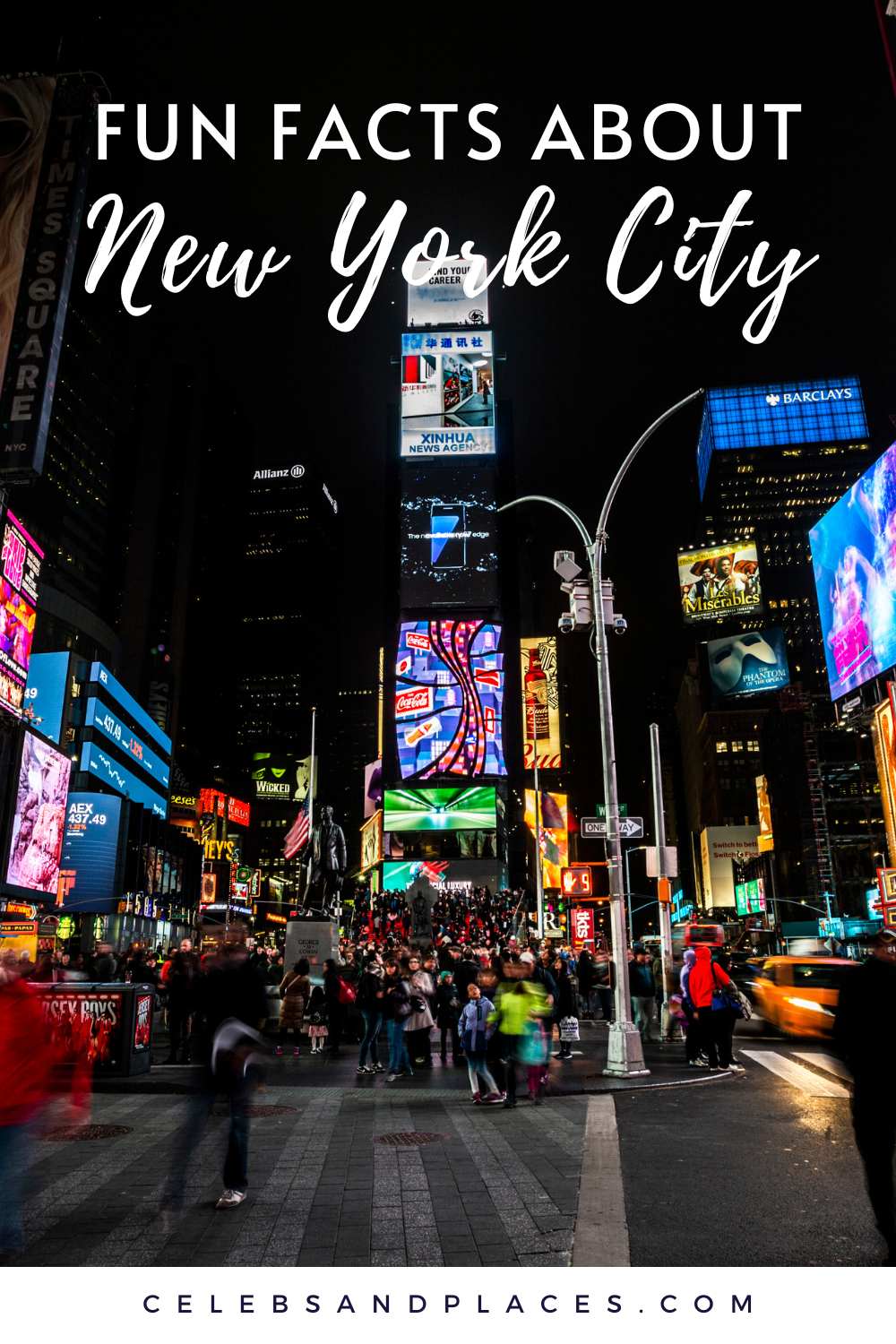
25 Fascinating Facts about New York City
New York – The City That Never Sleeps: Origins and Oddities
1. New York Was Once New Amsterdam
Before the British took control in 1664, New York City was a Dutch colony called New Amsterdam. The Dutch purchased Manhattan from the Lenape people in 1626 for goods worth approximately 60 guilders, often cited as $24 in today’s currency, though the actual value and fairness of this transaction remain hotly debated by historians.
2. The Statue of Liberty Was Originally Egyptian
Lady Liberty was never meant for New York. French sculptor Frédéric Auguste Bartholdi first designed the statue as “Egypt Carrying the Light to Asia” for the Suez Canal. When Egypt rejected the proposal, he repurposed it as a gift to the United States, and it became one of the world’s most iconic symbols of freedom.
3. NYC Has Over 800 Languages Spoken
New York City is the most linguistically diverse city on the planet, with over 800 languages spoken across its five boroughs. You’ll find everything from Yiddish in Brooklyn to Tibetan in Queens, making it a true global village.
4. Times Square Was Named After a Newspaper
Originally called Longacre Square, the famous intersection was renamed Times Square in 1904 when The New York Times moved its headquarters there. The newspaper’s owner convinced the city to rename the area and host the first New Year’s Eve celebration that same year.
5. Central Park Is Larger Than Monaco
At 843 acres, Central Park covers more ground than the entire principality of Monaco. This massive green oasis was the first landscaped public park in the United States, designed by Frederick Law Olmsted and Calvert Vaux in 1857.
NYC Underground Secrets and Infrastructure Marvels
6. There’s a Secret Train Platform Under the Waldorf Astoria
Track 61, a secret train platform beneath the Waldorf Astoria Hotel, was used by President Franklin D. Roosevelt to arrive and depart privately. His armor-plated rail car still sits on the tracks, rusting away in the darkness.
7. The Subway System Never Closes
New York’s subway is one of the few in the world that operates 24 hours a day, 365 days a year. With 472 stations, it’s also the largest rapid transit system by number of stations globally.
8. There Are Alligators in the Sewers (Sort Of)
While the legendary stories of massive alligators are myths, small alligators and caimans have actually been found in NYC sewers over the years, typically exotic pets that owners dumped illegally. The city’s Department of Environmental Protection occasionally encounters them.
9. The Brooklyn Bridge Was Built by a Woman
After chief engineer Washington Roebling became bedridden from decompression sickness during construction, his wife Emily Warren Roebling took over the project. She learned complex mathematics and engineering, supervising the bridge’s completion in 1883 and becoming one of the first female field engineers.
10. Grand Central Terminal Has a Whispering Gallery
The vaulted ceiling near the Oyster Bar in Grand Central creates a unique acoustic phenomenon. Stand in opposite corners of the archway, face the wall, and whisper; your companion will hear you perfectly clearly despite being 30 feet away.
NYC Population Peculiarities and Cultural Quirks
11. More Chinese People Live in NYC Than San Francisco
New York City has the largest Chinese population of any city outside of Asia, with over 600,000 Chinese Americans calling NYC home, concentrated mainly in Manhattan’s Chinatown, Flushing, and Sunset Park.
12. Taxicabs Were Originally Red and Green
The iconic yellow cab wasn’t always yellow. When John Hertz founded the Yellow Cab Company in 1915, he chose yellow because a University of Chicago study showed it was the easiest color to spot. Other companies used red, green, and even checkered patterns.
13. Pizza Rat Is Real
In 2015, a rat carrying an entire slice of pizza down subway stairs became an internet sensation, perfectly capturing the resilient, scrappy spirit of New York City wildlife. The video garnered millions of views and inspired countless memes.
14. New Yorkers Drink Unfiltered Water
NYC’s drinking water comes from protected wilderness watersheds in upstate New York and is so pure it’s one of only five major cities in America allowed to supply unfiltered tap water. The system delivers over one billion gallons daily.
15. The City Has Its Own Accent Evolution
The classic New York accent is disappearing. Linguists note that younger generations sound less like their grandparents, with traditional features like dropped “r” sounds fading as the city becomes increasingly diverse and interconnected with global culture.
NYC Architectural Wonders and Urban Legends
16. The Empire State Building Has Its Own Zip Code
The Empire State Building receives so much mail that it was assigned its own zip code: 10118. It’s one of only 43 buildings in the United States with this distinction.
17. Manhattan’s Street Grid Was Revolutionary
The Commissioners’ Plan of 1811 created Manhattan’s famous grid of numbered streets and avenues, one of the first planned street grids in America. This rational design made property development and navigation infinitely easier.
18. There’s a Tiny Mosaic Hidden in the Subway
Artist Tom Otterness created a tiny bronze alligator emerging from a manhole in the 14th Street subway station, referencing the urban legend. It’s just one of hundreds of artworks hidden throughout the subway system.
19. The Woolworth Building Was Paid for in Cash
When the Woolworth Building was completed in 1913 as the world’s tallest building, Frank Woolworth paid the entire $13.5 million construction cost in cash from his five-and-dime store fortune.
20. Broadway Isn’t Straight
Unlike the grid system, Broadway follows an ancient Native American trail called the Wickquasgeck Trail. Its diagonal path creates the famous triangular intersections like Times Square and Herald Square.
Modern Marvels and Current Records
21. NYC Has the Most Millionaires
New York City has more millionaires than any other city in the world, with over 340,000 high-net-worth individuals calling it home, followed by Tokyo and the San Francisco Bay Area.
22. The City Recycles Its Christmas Trees
After the holidays, the city collects Christmas trees and turns them into mulch for parks and playgrounds. The MulchFest program recycles over 30,000 trees annually, giving them new life as nutrient-rich ground cover.
23. You Can Mail a Coconut
At the James A. Farley Post Office, there’s a tradition of mailing coconuts without boxes or wrapping. Write the address directly on the coconut, add postage, and the postal service will deliver it.
24. The City Never Runs Out of Steam
NYC has the largest steam system in the world, with over 100 miles of pipes delivering steam for heating and cooling to thousands of buildings in Manhattan. Those iconic steam clouds rising from manholes are part of this Victorian-era system still in use today.
25. A Slice of Pizza Equals a Subway Fare
For decades, the cost of a subway ride and a plain slice of pizza have remained roughly equal, a phenomenon economists call the “Pizza Principle.” While it’s not perfectly precise, this quirky correlation has held remarkably true since the 1960s.
Final Thoughts
New York City’s essence lies not just in its famous skyline or bustling streets but in these countless layers of history, innovation, and human stories stacked upon each other like the floors of its skyscrapers. From secret train platforms to pizza-stealing rats, from Dutch colonists to modern tech entrepreneurs, every fact reveals another dimension of what makes this city endlessly fascinating. These peculiar details remind us that New York’s greatest treasure isn’t its monuments or museums; it’s the accumulated wisdom, weirdness, and wonder of eight million people writing their own chapters in the world’s most epic urban story every single day.


