
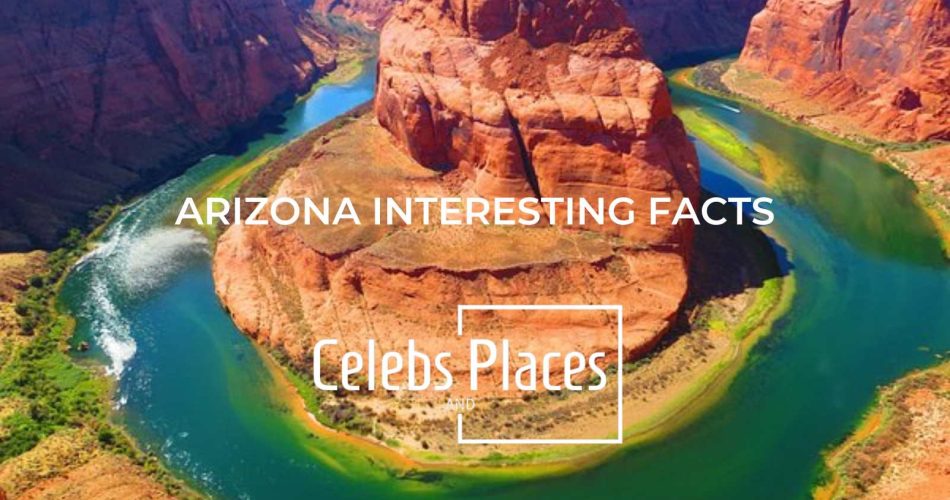
Arizona burns hot enough to fry eggs on sidewalks, yet snow blankets the northern mountains while cacti bake in southern valleys. This contradiction defines a state where four distinct desert ecosystems meet, where the Colorado River carved the world’s most famous canyon, and where temperatures swing 100 degrees between Flagstaff’s winters and Phoenix’s summers. The Grand Canyon State encompasses far more than tourists visiting Sedona’s red rocks or retirees fleeing to Phoenix’s endless suburbs. Arizona holds ancient cliff dwellings that predate European contact by centuries, copper deposits that built empires, and a political history that swings wildly between Barry Goldwater conservatism and progressive experiments. The Sonoran Desert blooms with impossible beauty after rare rains, saguaro cacti stand as sentinels across landscapes that kill the unprepared, and five Native American nations maintain sovereignty over land their ancestors inhabited for millennia. Understanding Arizona means abandoning preconceptions about desert wasteland and recognizing a state where geology, climate, and human history created something genuinely unique in the American Southwest.

30 Captivating Facts about Arizona
Arizona’s Desert Landscapes and Climate
1. Arizona Contains Four Major Desert Ecosystems
Arizona is the only state containing all four North American desert ecosystems: the Sonoran, Chihuahuan, Mojave, and Great Basin deserts. Each supports distinct plant and animal communities adapted to specific conditions.
2. The Sonoran Desert Is North America’s Wettest Desert
The Sonoran Desert, covering much of southern Arizona, receives more rainfall than any other North American desert, averaging 10-12 inches annually. This “wet” desert supports incredible biodiversity, including the iconic saguaro cactus.
3. Phoenix Is America’s Hottest Major City
Phoenix averages 110 days per year exceeding 100°F, more than any other major American city. Summer temperatures regularly surpass 110°F, creating conditions where exposed metal can cause severe burns.
4. Arizona Has More Mountains Than Switzerland
Arizona contains approximately 3,928 named mountains, more than Switzerland. The state’s topography ranges from 70 feet above sea level along the Colorado River to Humphreys Peak’s 12,637-foot summit.
5. Snow Skiers and Desert Hikers Coexist
On the same winter day, skiers carve turns at Arizona Snowbowl near Flagstaff while hikers wear shorts in Phoenix’s 70-degree weather. This 7,000-foot elevation difference creates radically different climates just 150 miles apart.
The Grand Canyon’s Geological Wonder
6. The Grand Canyon Spans 277 Miles
The Grand Canyon stretches 277 miles long, up to 18 miles wide, and over a mile deep. This immense chasm attracts five million visitors annually to witness geological history spanning nearly two billion years.
7. The Colorado River Carved the Canyon Over Six Million Years
The Colorado River began carving the Grand Canyon approximately six million years ago, exposing rock layers that tell Earth’s story from 1.8 billion years ago to 270 million years ago. Each layer represents a different ancient environment.
8. Grand Canyon National Park Is a UNESCO World Heritage Site
UNESCO designated Grand Canyon National Park a World Heritage Site in 1979, recognizing its outstanding universal value. The canyon is considered one of Earth’s finest examples of erosion.
9. The Havasupai Reservation Contains Stunning Waterfalls
Deep within the Grand Canyon, the Havasupai Reservation protects spectacular turquoise waterfalls, including Havasu Falls. These remote falls require a 10-mile hike or a helicopter ride to access.
Arizona’s Native American Heritage
10. Twenty-Two Federally Recognized Tribes Call Arizona Home
Arizona has 22 federally recognized Native American tribes, more than any state except Alaska and California. These nations control approximately 27% of Arizona’s land, making indigenous presence integral to state identity.
11. The Navajo Nation Is America’s Largest Reservation
The Navajo Nation spans over 27,000 square miles across Arizona, New Mexico, and Utah, making it larger than 10 U.S. states. Over 170,000 people live on the reservation, maintaining Navajo language and traditions.
12. Ancient Puebloans Built Cliff Dwellings
Between 1100 and 1300 CE, ancestral Puebloan peoples built elaborate cliff dwellings at sites like Montezuma Castle and Canyon de Chelly. These architectural achievements demonstrate sophisticated engineering and community organization.
13. Arizona Has More Land Designated as Native American Reservations Than Any State
Approximately 27% of Arizona’s land is tribal land, the highest percentage of any state. This extensive indigenous territory reflects both historical presence and ongoing sovereignty.
Arizona’s Copper Mining Legacy
14. Arizona Produces Two-Thirds of America’s Copper
Arizona mines produce approximately 70% of the United States’ copper, earning the state its nickname “The Copper State.” Massive open-pit mines like Morenci and Bagdad scar the landscape while driving the economy.
15. The Bisbee Copper Mine Created an Underground City
The Bisbee copper mine, operational from 1880 to 1975, produced 8 billion pounds of copper and created 143 miles of underground tunnels. The town of Bisbee transformed from mining boomtown to artistic community.
16. Copper Mining Built Arizona’s Economy
The “Five C’s” that built Arizona’s economy—Copper, Cattle, Cotton, Citrus, and Climate—all contributed to development, but copper mining provided the economic foundation. Mining towns like Jerome, Bisbee, and Globe rose and fell with copper prices.
Arizona’s Unique Natural Features
17. The Saguaro Cactus Grows Only in the Sonoran Desert
The iconic saguaro cactus, Arizona’s state flower, grows naturally only in the Sonoran Desert. These giants can live 200 years, grow to 40 feet tall, and weigh over 8 tons when fully hydrated.
18. Petrified Forest Contains Fossils Over 200 Million Years Old
Petrified Forest National Park preserves massive petrified trees that lived over 200 million years ago during the Late Triassic Period. These stone logs display incredible detail, with wood grain and bark visible in crystallized form.
19. Meteor Crater Is the Best-Preserved Impact Site
Meteor Crater, created 50,000 years ago by a meteorite impact, measures nearly a mile across and 550 feet deep. This remarkably preserved crater helped scientists understand meteorite impacts on Earth.
20. Lake Powell and Lake Mead Are Massive Reservoirs
Lake Powell and Lake Mead, created by dams on the Colorado River, rank among America’s largest reservoirs. These artificial lakes provide water and power but have shrunk dramatically due to drought, revealing decades of accumulated sediment.
Arizona’s Wild West History
21. The O.K. Corral Shootout Made Tombstone Famous
The 1881 Gunfight at the O.K. Corral in Tombstone, lasting just 30 seconds, became the Wild West’s most famous shootout. Wyatt Earp, his brothers, and Doc Holliday battled the Clanton and McLaury brothers in this legendary confrontation.
22. Tombstone Called Itself “The Town Too Tough to Die”
Tombstone, Arizona’s most famous Old West town, adopted the motto “The Town Too Tough to Die” after fires destroyed much of the town in the 1880s. Tourism now sustains the community that silver mining built.
23. Geronimo Surrendered in Arizona
Apache leader Geronimo conducted his final resistance campaign from Arizona’s rugged mountains before surrendering in 1886. His guerrilla warfare tactics made him legendary across the Southwest.
Arizona’s Modern Growth and Cities
24. Phoenix Is America’s Fifth-Largest City
Phoenix’s population exceeds 1.7 million, making it America’s fifth-largest city. The metropolitan area contains over 4.9 million people, sprawling across the Sonoran Desert with air conditioning making the heat tolerable.
25. Arizona Doesn’t Observe Daylight Saving Time
Arizona (except the Navajo Nation) refuses to observe Daylight Saving Time, reasoning that extending daylight into evening hours during summer is unnecessary when days already feel too long and hot.
26. Scottsdale Has More Spas Per Capita Than Any City
Scottsdale, Phoenix’s upscale neighbor, claims more destination spas per capita than any other U.S. city. The area’s dry desert climate and resort culture created a wellness industry attracting visitors worldwide.
27. Retirement Communities Transformed Arizona
Massive retirement communities like Sun City and Green Valley transformed Arizona demographics and politics. These age-restricted communities attracted hundreds of thousands of retirees seeking warm, dry winters.
Arizona’s Scientific and Astronomical Achievements
28. Arizona Has World-Class Observatories
Arizona’s dry, clear skies and high elevations make it ideal for astronomy. Kitt Peak National Observatory, Lowell Observatory, and other facilities conduct cutting-edge astronomical research from Arizona mountaintops.
29. Lowell Observatory Discovered Pluto
Astronomer Clyde Tombaugh discovered Pluto from Lowell Observatory in Flagstaff in 1930. The observatory, founded by Percival Lowell, also contributed crucial research about Mars and other celestial bodies.
30. Biosphere 2 Conducted Earth Systems Research
Biosphere 2, a 3.14-acre sealed ecological system near Tucson, housed eight people in a completely isolated environment from 1991 to 1993. This ambitious experiment tested closed ecological systems and human survival capabilities.
Desert Realities
Arizona forces recognition that deserts aren’t empty wastelands but complex ecosystems where life adapts rather than surrenders. The saguaro cactus, standing 40 feet tall after 150 years of patient growth, demonstrates survival strategies incomprehensible to plants in wetter climates. Ancient Puebloans built sophisticated communities in landscapes that challenge modern engineers. Native nations maintain cultural continuity across centuries of colonization while copper mines dig ever-deeper holes, extracting resources that built America’s electrical infrastructure. The contradictions persist everywhere: Phoenix grows relentlessly despite sitting in a desert with insufficient water, retirees flood a state where summer heat kills dozens annually, and millions visit the Grand Canyon without comprehending the geological time it represents. Arizona’s appeal lies precisely in these contradictions—the impossibility of thriving where conditions seem prohibitive, the beauty found in landscapes that lack conventional prettiness, the cultural richness maintained by peoples who survived attempts at erasure. These facts sketch a state shaped more by scarcity than abundance, where water, shade, and survival remain precious commodities despite air-conditioned comfort. The desert doesn’t care about human convenience, retirement dreams, or tourism revenue. It simply exists according to its own harsh logic, and everything human here exists on borrowed time measured in water reserves, aquifer depletion, and climate forecasts that promise more heat, less rain, and consequences for building cities where nature never intended them. That’s Arizona’s reality beneath the sunset photographs and resort marketing: a magnificent, unforgiving place where acknowledging the desert’s terms is the first requirement for survival.


