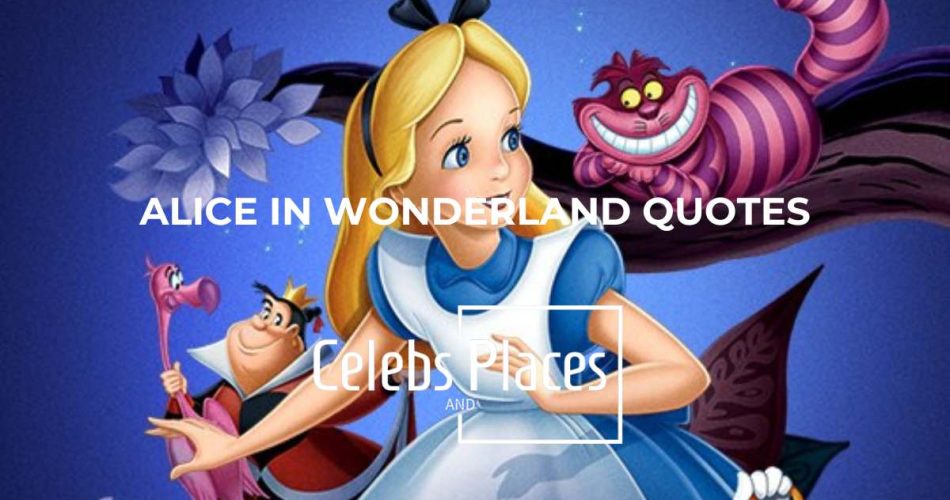
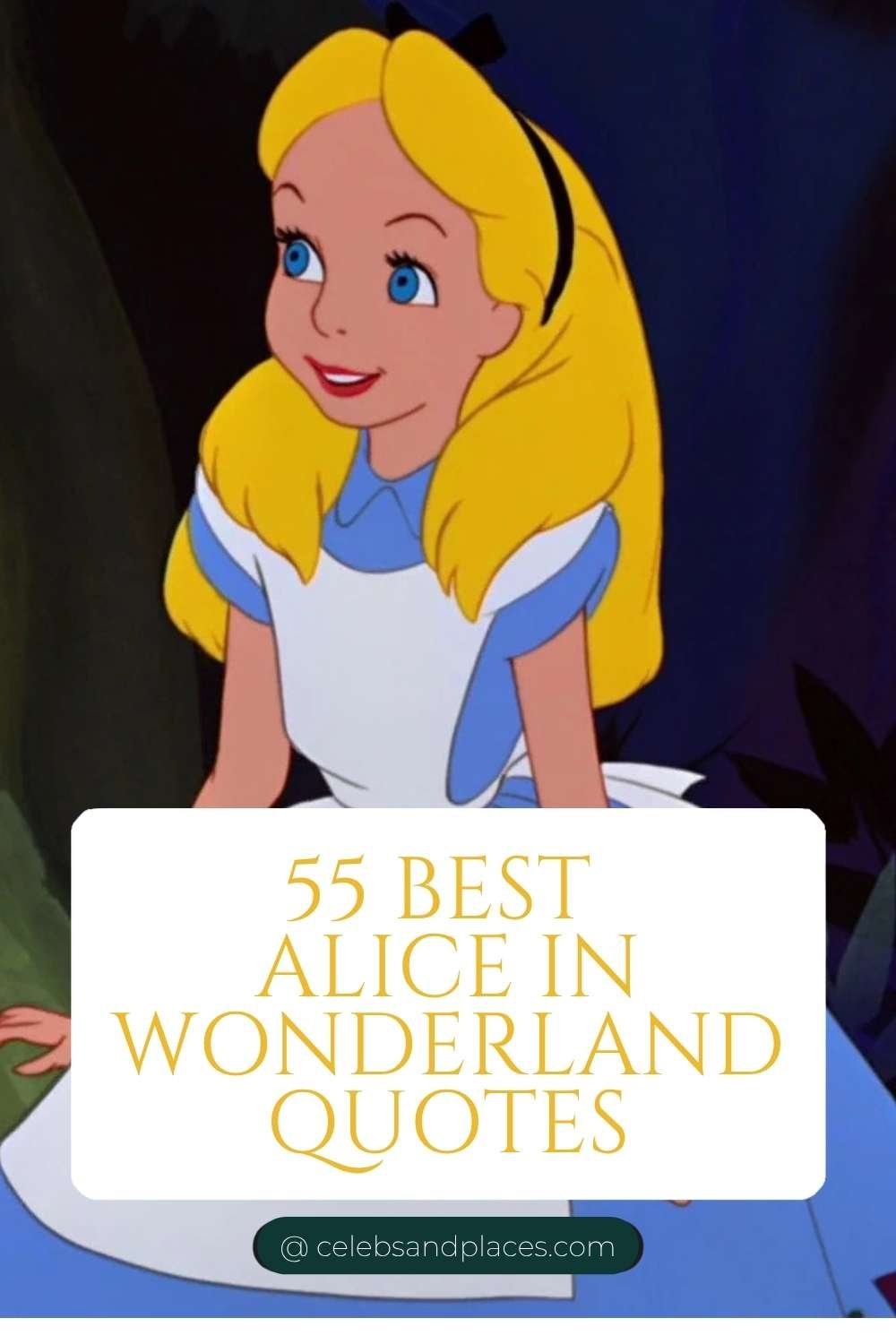
Lewis Carroll’s “Alice in Wonderland” isn’t just a children’s story about a girl who falls down a rabbit hole. It’s a philosophical masterpiece wrapped in whimsy, a profound exploration of identity, logic, and madness disguised as a fantastical adventure. Since its publication in 1865, this tale has captivated readers of all ages with its peculiar characters, impossible situations, and dialogue that somehow makes perfect sense while making no sense at all.
What makes Alice’s adventures so enduring is how the absurdity mirrors our own reality. We’ve all felt too big or too small for our circumstances, wondered who we really are, or questioned the arbitrary rules of the world around us. The Mad Hatter’s tea party isn’t just nonsense; it’s a commentary on social conventions. The Cheshire Cat’s riddles aren’t just wordplay; they’re genuine philosophical inquiries about direction, purpose, and sanity.
The beauty of Wonderland is that it speaks to children and adults on completely different levels. Children delight in the chaos and imagination, while adults recognize the sharp social satire and existential questions lurking beneath the surface. These quotes have transcended their original context to become wisdom for navigating our own wonderland of modern life, where things often feel just as topsy-turvy as anything Alice encountered.
The Wisdom of Wonderland
On Identity and Self-Awareness
“Who in the world am I? Ah, that’s the great puzzle.” – Alice
Alice’s fundamental question resonates with anyone who’s ever questioned their identity or felt lost in their own life’s journey.
“I’m afraid I can’t explain myself, sir. Because I’m not myself, you know.” – Alice
This perfectly captures those moments when we feel disconnected from our usual selves, unable to articulate who we’ve become.
“It’s no use going back to yesterday, because I was a different person then.” – Alice
Perhaps Carroll’s most quoted line, this wisdom acknowledges that growth means constant transformation.
“I know who I WAS when I got up this morning, but I think I must have been changed several times since then.” – Alice
The recognition that we’re constantly evolving, shaped by our experiences throughout each day.
“But I don’t want to go among mad people,” Alice remarked. “Oh, you can’t help that,” said the Cat: “we’re all mad here. I’m mad. You’re mad.” – The Cheshire Cat
The Cheshire Cat’s insight that sanity is relative and perhaps everyone is a little mad in their own way.
On Advice and Self-Improvement
“I give myself very good advice, but I very seldom follow it.” – Alice
A universal truth: knowing what to do and actually doing it are two very different things.
“You’re entirely bonkers. But I’ll tell you a secret. All the best people are.” – Alice
An embrace of eccentricity and a reminder that conventional thinking isn’t always the most interesting.
“You’ve lost your muchness.” – The Mad Hatter
The Mad Hatter’s observation about Alice losing her essence speaks to anyone who’s felt they’ve compromised too much of themselves.
On Direction and Purpose
“Would you tell me, please, which way I ought to go from here? That depends a good deal on where you want to get to. I don’t much care where. Then it doesn’t matter which way you go.” – The Cheshire Cat
The Cheshire Cat’s famous exchange with Alice reveals that without a destination, any path will do.
“If you don’t know where you are going, any road can take you there.” – The Cheshire Cat
A variation on the Cat’s wisdom about the importance of having direction in life.
“Begin at the beginning and go on till you come to the end: then stop.” – The King of Hearts
The King of Hearts offers surprisingly practical advice about tackling any project.
On Belief and Possibility
“Why, sometimes I’ve believed as many as six impossible things before breakfast.” – The White Queen
The White Queen’s philosophy encourages stretching our imagination and believing beyond current limitations.
“Alice had begun to think that very few things indeed were really impossible.” – Alice
After her adventures, Alice develops a more open mind about what’s possible.
“Nothing’s impossible!” – The Doorknob
The Doorknob’s cheerful assertion challenges our assumptions about limitations.
“Why it’s simply impassible! Alice: Why, don’t you mean impossible? Door: No, I do mean impassible. Nothing’s impossible!” – The Doorknob
A playful twist on words that reminds us to reconsider what we think can’t be done.
On Logic and Nonsense
“Curiouser and curiouser!” – Alice
Alice’s delighted exclamation at the strangeness around her has become shorthand for escalating oddity.
“It would be so nice if something made sense for a change.” – Alice
Alice’s exasperated wish speaks to anyone overwhelmed by life’s contradictions.
“If I had a world of my own, everything would be nonsense. Nothing would be what it is, because everything would be what it isn’t.” – Alice
Alice’s vision of her own world embraces the chaos she’s experiencing.
“Everything’s got a moral, if only you can find it.” – The Duchess
The Duchess’s insistence that every situation contains a lesson, whether we see it or not.
“Contrariwise, if it was so, it might be; and if it were so, it would be; but as it isn’t, it ain’t. That’s logic.” – Tweedledee
Tweedledee’s circular reasoning perfectly captures Wonderland’s twisted logic.
On Communication and Understanding
“Then you should say what you mean. I do; at least I mean what I say; that’s the same thing, you know. Not the same thing a bit!” – The March Hare and The Mad Hatter
The distinction between saying what you mean and meaning what you say highlights the complexity of communication.
“If you don’t think, you shouldn’t talk!” – The March Hare
The March Hare’s blunt advice about thoughtful communication.
“I don’t think— Then you shouldn’t talk, said the Hatter.” – The Mad Hatter
A more direct version of the same wisdom about thinking before speaking.
“Speak English! I don’t know the meaning of half those long words, and, what’s more, I don’t believe you do either!” – The Eaglet
The Eaglet calls out pretentious language and unclear communication.
On Time and Urgency
“I’m late, I’m late! For a very important date! No time to say ‘hello, goodbye,’ I’m late, I’m late, I’m late!” – The White Rabbit
The White Rabbit’s perpetual rush mirrors our own frantic modern lives.
“The hurrier I go, the behinder I get.” – The White Rabbit
The White Rabbit discovers that rushing can actually slow you down.
“If you knew Time as well as I do, you wouldn’t talk about wasting it.” – The Mad Hatter
The Mad Hatter’s personification of Time suggests a different relationship with temporal reality.
On Adventure and Risk
“Every adventure requires a first step.” – The Cheshire Cat
The Cheshire Cat encourages taking action to begin any journey.
“No, no! The adventures first, explanations take such a dreadful time.” – The Gryphon
The Gryphon prioritizes experience over analysis.
“Oh, I’ve had such a curious dream!” – Alice
Alice’s reflection on her adventure acknowledges the surreal quality of transformative experiences.
On Growth and Change
“Three inches is such a wretched height.” – Alice
Alice’s dissatisfaction with her size mirrors how we often feel inadequate in various situations.
“I suppose I ought to eat or drink something or other; but the great question is, ‘What?'” – Alice
The challenge of making the right choice when the consequences are uncertain.
“For, you see, so many out-of-the-way things had happened lately, that Alice had begun to think that very few things indeed were really impossible.” – Alice
How extraordinary experiences expand our sense of what’s possible.
On Madness and Normalcy
“Have I gone mad? I’m afraid so, but let me tell you something, the best people usually are.” – The Mad Hatter
The Mad Hatter normalizes eccentricity and creative thinking.
“Most everyone’s mad here.” – The Cheshire Cat
The Cheshire Cat’s observation that madness is the norm in Wonderland.
“You may have noticed that I’m not all there myself.” – The Cheshire Cat
The Cheshire Cat’s self-aware admission about his own peculiarities.
On Authority and Rules
“Off with their heads!” – The Queen of Hearts
The Queen of Hearts’ tyrannical catchphrase represents arbitrary and excessive authority.
“Curtsey while you’re thinking. It saves time.” – The Queen of Hearts
The Queen’s absurd efficiency advice about combining tasks.
“Who’s been painting my roses red?” – The Queen of Hearts
The Queen’s discovery that her subjects are trying to meet her impossible standards.
Philosophical Musings
“Imagination is the only weapon in the war against reality.” – The Cheshire Cat
The Cheshire Cat suggests that creativity helps us cope with harsh truths.
“One of the secrets of life is that all that is really worth the doing is what we do for others.” – Lewis Carroll
A rare moment of genuine wisdom about service and compassion.
“Take care of the sense and the sounds will take care of themselves.” – Lewis Carroll
Advice about prioritizing meaning over form.
“It’s a poor sort of memory that only works backwards.” – The White Queen
The White Queen’s observation about the limitations of conventional memory.
On Books and Learning
“What is the use of a book without pictures or conversation?” – Alice
Alice’s complaint about boring books speaks to the importance of engagement in learning.
“But how can one possibly pay attention to a book with no pictures in it?” – Alice
A child’s honest perspective on what makes reading worthwhile.
“When I get home I shall write a book about this place.” – Alice
Alice’s determination to document her extraordinary experience.
Final Thoughts
The genius of “Alice in Wonderland” lies in its ability to disguise profound truths as playful nonsense. These quotes continue to resonate because they address timeless questions about identity, purpose, sanity, and the arbitrary nature of social rules. In Wonderland, the absurd becomes normal and the normal becomes absurd, forcing us to question our own assumptions about reality.
Carroll’s masterpiece reminds us that sometimes the best way to understand our world is to step outside it entirely, to fall down our own rabbit holes and see what we find there. Whether you’re seeking philosophical insights, creative inspiration, or just a reminder that we’re all a little mad here, these quotes offer wisdom that’s both wonderfully sensible and delightfully nonsensical. After all, in a world that often feels as chaotic as Wonderland, perhaps the sanest response is to embrace the madness and enjoy the adventure.