
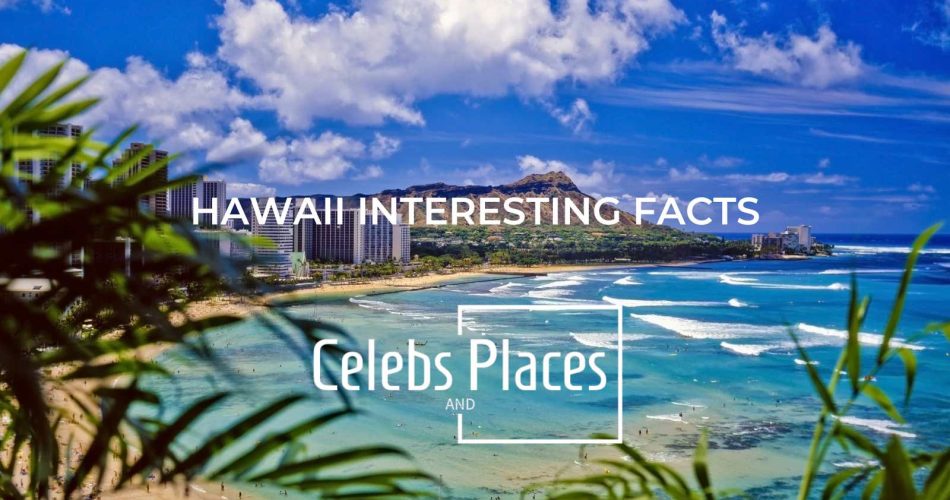
Hawaii floats 2,400 miles from the nearest continent, the most isolated island chain on Earth, yet millions of tourists annually treat these volcanic peaks as an easy tropical escape. The fiftieth state defies every mainland assumption about what America looks like, sounds like, and feels like, existing instead as a Pacific island nation that happens to fly the Stars and Stripes. Eight main islands emerged from underwater volcanoes over millions of years, creating ecosystems found nowhere else on the planet, cultures that predate Western contact by over a millennium, and landscapes ranging from snow-capped peaks to black sand beaches. The Hawaiian language, nearly destroyed by colonization, resurfaces in place names tourists mispronounce while snorkeling in waters where ancient Polynesians navigated by stars. Modern Hawaii balances precariously between preserving indigenous culture and serving tourist fantasies, between protecting fragile ecosystems and accommodating development, between honoring sovereignty stolen by American businessmen and functioning as a strategic military outpost in the Pacific. Understanding Hawaii requires seeing past the resort marketing to recognize an occupied kingdom, a biodiversity hotspot facing existential threats, and a place where paradise comes with complicated footnotes about history, sustainability, and cultural appropriation.
30 Interesting Facts about Hawaii
Hawaii’s Unique Geography and Volcanic Origins
1. Hawaii Is the Most Isolated Island Chain on Earth
Hawaii sits over 2,400 miles from the nearest continent, making it the most geographically isolated archipelago on the planet. This extreme isolation created unique ecosystems and allowed Polynesian culture to develop distinctly.
2. The Hawaiian Islands Are Growing
Hawaii’s Big Island continues growing as Kilauea volcano adds new land through lava flows entering the ocean. Since 1983, Kilauea has added over 500 acres of new land to the island, making Hawaii the only U.S. state actively increasing in size.
3. Mauna Kea Is the World’s Tallest Mountain
Measured from its base on the ocean floor, Mauna Kea stands 33,500 feet tall, making it taller than Mount Everest. Only about 13,796 feet rise above sea level, but the full mountain dwarfs any peak on land.
4. Hawaii Has the World’s Most Active Volcano
Kilauea, on the Big Island, has erupted continuously from 1983 to 2018, making it one of Earth’s most active volcanoes. The Hawaiian Volcanoes National Park allows visitors to witness ongoing volcanic processes.
5. Snow Falls in Hawaii
Mauna Kea’s summit regularly receives snow during winter months, creating the surreal image of snow-capped peaks in a tropical state. Residents occasionally ski on Hawaiian snow while beaches bask in 80-degree sunshine below.
Hawaii’s Biodiversity and Ecosystems
6. Over 90% of Native Species Are Endemic
More than 90% of Hawaii’s native plant and animal species exist nowhere else on Earth. This extreme endemism resulted from millions of years of isolation allowing species to evolve unique adaptations.
7. Hawaii Has No Native Land Mammals
Before human arrival, Hawaii had no native land mammals except for one bat species. All other mammals—mongooses, pigs, rats, cats, dogs—were introduced by Polynesians or later colonizers.
8. Hawaiian Honeycreepers Evolved from One Ancestor
Over 50 species of Hawaiian honeycreeper birds evolved from a single finch ancestor that arrived millions of years ago. This adaptive radiation demonstrates evolution in action, though many species are now extinct or endangered.
9. Hawaii Is the Endangered Species Capital
Hawaii hosts more endangered species per square mile than anywhere else in the United States. Over 500 species are listed as threatened or endangered, reflecting the fragility of isolated island ecosystems.
10. Invasive Species Threaten Native Ecosystems
Invasive plants, animals, and diseases brought by humans devastate Hawaii’s native species. Mosquitoes carrying avian malaria, aggressive plant species, and feral animals push endemic species toward extinction.
Hawaiian Culture and Language
11. The Hawaiian Language Nearly Died
By the 1980s, fewer than 50 children spoke Hawaiian as their first language. Immersion schools and cultural revitalization efforts have since brought thousands of young Hawaiians back to their ancestral language.
12. Hawaiian Has Only 13 Letters
The Hawaiian alphabet contains just 13 letters: five vowels (a, e, i, o, u) and eight consonants (h, k, l, m, n, p, w, ‘). The ‘okina (‘) is a glottal stop considered a consonant.
13. Surfing Was Invented in Ancient Hawaii
Ancient Hawaiians invented surfing (he’e nalu) over 1,500 years ago. Chiefs rode 24-foot boards on sacred breaks, and surfing held deep spiritual and cultural significance before Western contact commercialized it.
14. The Hula Tells Stories Through Dance
Hula, far more than tourist entertainment, is a sophisticated storytelling art form preserving Hawaiian history, genealogy, and mythology. Ancient hula (hula kahiko) differs dramatically from modern interpretations tourists typically encounter.
15. Aloha Means More Than Hello
“Aloha” encompasses concepts of love, compassion, and mutual respect far deeper than its casual tourist usage suggests. The Aloha Spirit represents Hawaiian values that predate and transcend commercial exploitation.
Hawaii’s Complicated History
16. Hawaii Was an Independent Kingdom
The Kingdom of Hawaii existed as a sovereign nation recognized internationally from 1810 until American businessmen illegally overthrew Queen Liliuokalani in 1893. The U.S. government later apologized for this overthrow in 1993.
17. American Businessmen Overthrew the Hawaiian Monarchy
In 1893, American sugar plantation owners, backed by U.S. Marines, overthrew Queen Liliuokalani in an illegal coup. This theft of sovereignty preceded Hawaii’s annexation in 1898 and eventual statehood in 1959.
18. President Cleveland Called the Overthrow Illegal
President Grover Cleveland investigated the overthrow and declared it illegal, calling for the monarchy’s restoration. Congress ignored his recommendation, and annexation proceeded despite Hawaiian opposition.
19. Native Hawaiians Opposed Statehood
Many Native Hawaiians opposed statehood in 1959, viewing it as finalizing the illegal annexation. The sovereignty movement continues advocating for Hawaiian independence or restored self-governance.
20. Pearl Harbor Brought Hawaii into WWII
The December 7, 1941 attack on Pearl Harbor killed 2,403 Americans and brought the United States into World War II. This “date which will live in infamy” transformed Hawaii’s strategic importance.
Hawaii’s Modern Economy and Tourism
21. Tourism Is Hawaii’s Largest Industry
Over 10 million tourists visit Hawaii annually, making tourism the state’s economic foundation. This dependence creates tension between economic necessity and environmental/cultural preservation.
22. Hawaii Has America’s Highest Cost of Living
Hawaii consistently ranks as America’s most expensive state, with housing costs, food prices, and general expenses far exceeding mainland averages. Most goods must be shipped thousands of miles, inflating prices.
23. Spam Is Surprisingly Popular in Hawaii
Hawaii consumes more Spam per capita than any other state, approximately 7 million cans annually. This canned meat became popular during World War II and remains a staple in local cuisine like Spam musubi.
24. Hawaii Produces Kona Coffee and Macadamia Nuts
Hawaii’s volcanic soil and climate produce world-famous Kona coffee and most of America’s macadamia nuts. These agricultural products represent successful adaptation to Hawaii’s unique conditions.
Hawaii’s Natural Wonders
25. Hawaii Has 11 of the World’s 13 Climate Zones
Hawaii contains 11 of Earth’s 13 climate zones, from tropical rainforests to alpine tundra, within remarkably small areas. You can experience multiple climates in a single day’s drive.
26. Haleakala Crater Resembles the Moon
Haleakala’s massive volcanic crater on Maui creates a landscape so otherworldly that NASA trained Apollo astronauts there. The 10,023-foot summit offers views of a barren, moon-like terrain.
27. Na Pali Coast Is Accessible Only by Foot or Boat
Kauai’s Na Pali Coast, featuring 3,000-foot sea cliffs, remains roadless and preserves some of Hawaii’s most dramatic scenery. Hikers tackle the challenging Kalalau Trail or view the cliffs from boats.
28. The Dole Pineapple Plantation Shaped Hawaii’s Image
James Dole built Hawaii’s pineapple industry in the early 1900s, creating the association between Hawaii and pineapples that persists despite pineapples not being native to Hawaii. Commercial pineapple farming has largely moved overseas.
Hawaii’s Unique Features
29. Interstate Highways Exist in Hawaii
Despite being islands separated by ocean, Hawaii has three Interstate highways (H-1, H-2, H-3) on Oahu. These federally funded highways never cross state lines, making them technically intrastate.
30. The Hawaiian Flag Includes the British Union Jack
Hawaii’s state flag incorporates the British Union Jack, reflecting King Kamehameha I’s friendship with British explorer George Vancouver. Hawaii is the only U.S. state flag bearing another nation’s flag.
Paradise Lost and Found
Hawaii teaches uncomfortable lessons about paradise. The postcard images of pristine beaches and swaying palms carefully crop out resort development, traffic congestion, homeless encampments, and ecosystems collapsing under invasive species and climate change. The hula performances that tourists applaud represent a culture nearly destroyed by colonization, now performing its own traditions for foreign consumption. The “discovery” of surfing and subsequent commercialization took something sacred and made it a commodity, much like the islands themselves. These facts reveal the paradise paradox: Hawaii’s beauty attracts millions who love it precisely in ways that destroy what they came to experience. The volcanic islands continue growing while native species disappear, tourists flood beaches while locals struggle with housing costs driven by mainlanders buying vacation homes, and the sovereignty movement persists while statehood seems irreversible. Hawaii’s isolation once protected unique ecosystems and culture; now that same isolation makes everything expensive, makes invasive species impossible to control once established, and makes ecological damage harder to reverse. Understanding Hawaii means recognizing that calling it paradise ignores the complicated reality of colonization, environmental crisis, and cultural resilience in the face of commercialization. The islands remain spectacularly beautiful, the culture endures despite concerted attempts at erasure, and the volcanoes keep building land regardless of human drama. But paradise was never simple, and Hawaii’s future depends on whether residents and visitors can move beyond tourist fantasies to address the existential challenges facing these extraordinary islands floating alone in the vast Pacific.


