
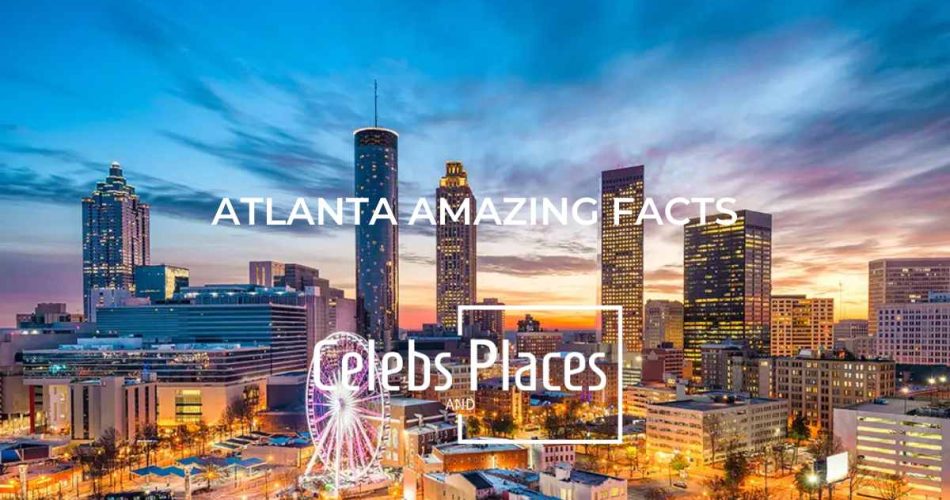
Atlanta burned to the ground in 1864 and rose from those ashes to become exactly what General Sherman tried to destroy: the beating heart of the South. This phoenix city rebuilt itself with such determination that it adopted the mythical bird as its symbol, perfectly capturing a metropolis that refuses to be defined by its past while never quite escaping it either. Modern Atlanta sprawls across the Georgia piedmont as a testament to reinvention, where civil rights history shares space with hip-hop empires, where Coca-Cola’s global headquarters sits miles from neighborhoods that birthed cultural movements, and where the world’s busiest airport connects this Southern city to everywhere else on the planet. The self-proclaimed “Capital of the New South” carries that title with complex pride, acknowledging both the economic dynamism that distinguishes it from the Old South and the racial tensions that prove some things change slower than skylines. What makes Atlanta fascinating isn’t choosing between honoring its civil rights legacy or celebrating its corporate success, its Southern hospitality or its international ambitions—it’s watching the city attempt all of it simultaneously while traffic grinds to a halt on the Connector.

30 Fascinating Facts about Atlanta
Atlanta’s Civil Rights Legacy and Leadership
1. Martin Luther King Jr. Was Born in Atlanta
Dr. Martin Luther King Jr. was born in Atlanta in 1929 and spent most of his life in the city. His childhood home, Ebenezer Baptist Church where he preached, and his tomb are preserved as the Martin Luther King Jr. National Historical Park in the Sweet Auburn district.
2. Atlanta Became “The City Too Busy to Hate”
During the civil rights era, Atlanta’s white business leaders adopted the slogan “The City Too Busy to Hate,” promoting peaceful integration to avoid the violent resistance that plagued other Southern cities. While imperfect, this pragmatic approach helped Atlanta transition more smoothly than Birmingham or Montgomery.
3. The First Black Mayor Transformed Atlanta
Maynard Jackson became Atlanta’s first Black mayor in 1974, fundamentally reshaping the city’s politics and economy. His insistence on minority inclusion in city contracts created a Black middle class and business community that distinguished Atlanta from other Southern cities.
4. Atlanta Was the Headquarters of the Civil Rights Movement
The Southern Christian Leadership Conference, NAACP, and other major civil rights organizations headquartered in Atlanta, making it the strategic center of the movement. The city’s relative progressiveness and strong Black institutions made it the natural command center for organizing across the South.
5. Spelman and Morehouse Anchored Black Excellence
Historically Black colleges Spelman and Morehouse, part of the Atlanta University Center consortium, educated generations of Black leaders including Martin Luther King Jr., Spike Lee, and countless others. These institutions created an educated Black elite that shaped Atlanta’s unique character.
Atlanta’s Corporate Power and Economic Dominance
6. Coca-Cola Was Invented in Atlanta
Pharmacist John Pemberton invented Coca-Cola in Atlanta in 1886, originally selling it as a patent medicine. The Coca-Cola Company, still headquartered in Atlanta, became one of the world’s most recognizable brands and made Atlanta a global corporate center.
7. Atlanta Is Home to 18 Fortune 500 Companies
Major corporations including The Home Depot, Delta Air Lines, UPS, and Southern Company headquarter in Atlanta, making it a corporate powerhouse. This concentration of Fortune 500 companies ranks Atlanta among America’s top business cities.
8. The Georgia Aquarium Is the Largest in the Western Hemisphere
The Georgia Aquarium in downtown Atlanta, opened in 2005, holds over 10 million gallons of water and houses thousands of animals representing hundreds of species. Its massive whale shark tank remains one of the aquarium’s main attractions.
9. CNN Revolutionized News from Atlanta
Ted Turner launched CNN from Atlanta in 1980, creating the first 24-hour news network and transforming global journalism. The CNN Center in downtown Atlanta became synonymous with breaking news coverage that changed how the world consumed information.
Hartsfield-Jackson and Atlanta’s Transportation Hub
10. The World’s Busiest Airport Is in Atlanta
Hartsfield-Jackson Atlanta International Airport has held the title of world’s busiest airport by passenger traffic since 1998, serving over 100 million passengers annually. Its dominance stems from Atlanta’s geographic position and Delta Air Lines’ massive hub operation.
11. Delta Air Lines Transformed Atlanta
Delta Air Lines, headquartered in Atlanta, made the city its primary hub and employs over 30,000 people in the metro area. This partnership between airline and city created Atlanta’s position as a global transportation crossroads.
12. Atlanta’s Traffic Is Legendarily Terrible
The confluence of I-75, I-85, and I-20 through downtown Atlanta, combined with sprawling suburban development and inadequate public transit, creates some of America’s worst traffic congestion. Locals refer to the downtown connector with a mixture of dread and dark humor.
13. MARTA Connects the City
The Metropolitan Atlanta Rapid Transit Authority (MARTA) serves metro Atlanta with rail and bus service, though its limited coverage compared to other cities reflects regional politics. The system’s reach into suburbs remains constrained by county opposition to expansion.
Atlanta’s Hip-Hop Empire and Music Scene
14. Atlanta Became the Hip-Hop Capital
Since the 1990s, Atlanta has evolved into hip-hop’s undisputed capital, producing more successful rap artists than any other city. OutKast, T.I., Ludacris, Gucci Mane, Future, Migos, and countless others emerged from Atlanta’s vibrant hip-hop scene.
15. OutKast Put Atlanta Hip-Hop on the Map
OutKast’s groundbreaking albums in the 1990s and early 2000s established Atlanta as a creative force in hip-hop. Their unique Southern sound, combining funk, soul, and experimental production, proved hip-hop didn’t require a New York or Los Angeles pedigree.
16. Trap Music Originated in Atlanta
Atlanta pioneered trap music, the aggressive hip-hop subgenre characterized by 808 drums, hi-hats, and lyrics about street life. Artists like T.I., Gucci Mane, and Young Jeezy defined the sound that now dominates mainstream hip-hop globally.
17. Atlanta Hosts the World’s Largest Black Music Festival
One Musicfest, held annually in Atlanta, has become the world’s largest annual Black music and culture festival. The event attracts hundreds of thousands of fans and showcases hip-hop, R&B, and soul artists.
Atlanta Sports and Entertainment
18. Atlanta Hosted the 1996 Summer Olympics
The Centennial Olympic Games in 1996 transformed Atlanta’s infrastructure and international profile. Despite the tragic Centennial Olympic Park bombing, the Games showcased Atlanta to a global audience and accelerated development.
19. The Braves Won the World Series in 2021
The Atlanta Braves, after moving from Milwaukee in 1966, won their first World Series in Atlanta in 2021, ending a championship drought dating back to 1995. The team’s consistent success through the 1990s made them the “Team of the Decade.”
20. Mercedes-Benz Stadium Has a Retractable Roof
Mercedes-Benz Stadium, home to the Atlanta Falcons and Atlanta United FC, features a unique petal-shaped retractable roof that opens and closes like a camera aperture. The stadium’s innovative design won architectural awards.
21. Atlanta United Broke MLS Attendance Records
Atlanta United FC, entering Major League Soccer in 2017, shattered attendance records and won the MLS Cup in 2018. The team’s immediate success demonstrated Atlanta’s appetite for soccer and changed perceptions about the sport’s viability in the South.
Atlanta’s Film Industry Boom
22. Atlanta Is the Hollywood of the South
Georgia’s aggressive tax incentives transformed Atlanta into a major film and television production center. Marvel Studios films, “The Walking Dead,” “Stranger Things,” and countless other productions have made Atlanta America’s third-largest production hub after Los Angeles and New York.
23. Tyler Perry Built a Massive Studio Complex
Tyler Perry Studios, located on 330 acres of a former military base, is one of the largest production studios in the country. Perry’s empire demonstrates Atlanta’s growing dominance in entertainment production.
24. Pinewood Studios Established a Major Facility
Pinewood Atlanta Studios, affiliated with the legendary British studio, built a massive production facility south of Atlanta. The complex hosts major productions and cemented Georgia’s status as a filmmaking destination.
Atlanta’s Unique Neighborhoods and Culture
25. Little Five Points Is Atlanta’s Bohemian Heart
Little Five Points, with its counterculture vibe, vintage shops, and eclectic restaurants, represents Atlanta’s alternative scene. The neighborhood’s funky atmosphere contrasts sharply with corporate downtown and suburban sprawl.
26. Ponce City Market Transformed a Sears Building
The historic Sears, Roebuck & Company building in the Old Fourth Ward was converted into Ponce City Market, a mixed-use development combining retail, restaurants, offices, and apartments. This transformation exemplifies Atlanta’s redevelopment and gentrification patterns.
27. The BeltLine Is Reshaping Atlanta
The Atlanta BeltLine, converting 22 miles of historic railroad corridors into trails, parks, and transit, represents the city’s most ambitious urban redevelopment project. While controversial for accelerating gentrification, it’s connecting previously isolated neighborhoods.
28. Atlanta Has More Streets Named “Peachtree” Than You Can Count
Atlanta has over 70 streets with “Peachtree” in their names, creating endless confusion for visitors and GPS systems. This naming convention stems from the city’s origins near a Creek Indian village called “Standing Peachtree.”
Atlanta’s Food Scene and Southern Cuisine
29. The Varsity Is the World’s Largest Drive-In
The Varsity, opened in 1928 near Georgia Tech, claims to be the world’s largest drive-in restaurant. Its signature greeting “What’ll ya have?” and greasy chili dogs represent old-school Atlanta before it became a cosmopolitan city.
30. Atlanta Perfected Southern Soul Food
Atlanta’s soul food restaurants, from Busy Bee Cafe to Paschal’s, serve traditional Southern cooking that sustained the civil rights movement. These establishments remain cultural institutions where business deals and political strategy happen over fried chicken and collard greens.
Final Thoughts
Atlanta’s story reads like a dare to history: burn us down and watch us build something bigger. That rebuilding instinct permeates everything, from neighborhoods torn down and rebuilt three times over to corporations that relocated here precisely because Atlanta wasn’t locked into old ways of doing things. The city’s greatest strength and biggest problem are the same thing—relentless growth driven by people who moved here from somewhere else, bringing fresh energy while diluting whatever “authentic” Atlanta means. Traffic nightmares and gentrification battles are the price of success, the evidence that Atlanta won its bet on becoming more than a regional Southern city. These facts reveal why Atlanta frustrates simple narratives: it’s simultaneously the cradle of civil rights and an engine of capitalism, deeply Southern yet thoroughly cosmopolitan, historically Black yet increasingly diverse, sprawling and impossible yet somehow functioning as a global city. The airport’s dominance isn’t coincidental; it symbolizes Atlanta’s entire purpose as a connecting point, a place people pass through but also increasingly choose to stay. Whether that’s enough to sustain a coherent identity amid all that change remains Atlanta’s ongoing question. But the city that’s too busy to hate is definitely too busy to stop growing, and that momentum carries Atlanta forward whether everyone agrees on the destination or not.


