Chicago isn’t just the Windy City; it’s a powerhouse of American innovation, culture, and resilience that has shaped the nation’s identity in ways most people never realize. From revolutionizing architecture after rising from the ashes of catastrophic fire to becoming the birthplace of the skyscraper, deep-dish pizza, and modern blues music, Chicago has consistently defied expectations and rewritten the rules. Nestled on the shores of Lake Michigan, this Midwestern metropolis blends Midwestern warmth with big-city energy, creating a unique urban experience where world-class museums share neighborhoods with historic mob hideouts, and where hot dogs come with strict rules but endless personality. These fascinating facts peel back the layers of Chi-Town’s rich history, quirky traditions, and impressive achievements that make it one of America’s most distinctive cities.
30 Fascinating Facts about Chicago
Chicago – The City of Big Shoulders: Origins and Early History
1. Chicago’s Name Comes from Wild Onions
The name “Chicago” derives from a Native American word “shikaakwa,” which means “wild onion” or “wild garlic.” The Miami-Illinois tribes used this name to describe the plants that grew abundantly along the Chicago River and throughout the region.
2. The Great Chicago Fire Started in a Barn
On October 8, 1871, the Great Chicago Fire destroyed over 17,000 buildings and left 100,000 people homeless. Legend says it started when Mrs. O’Leary’s cow kicked over a lantern, though historians have largely debunked this myth. The fire burned for three days and consumed over three square miles of the city.
3. Chicago Was Built on Swamps
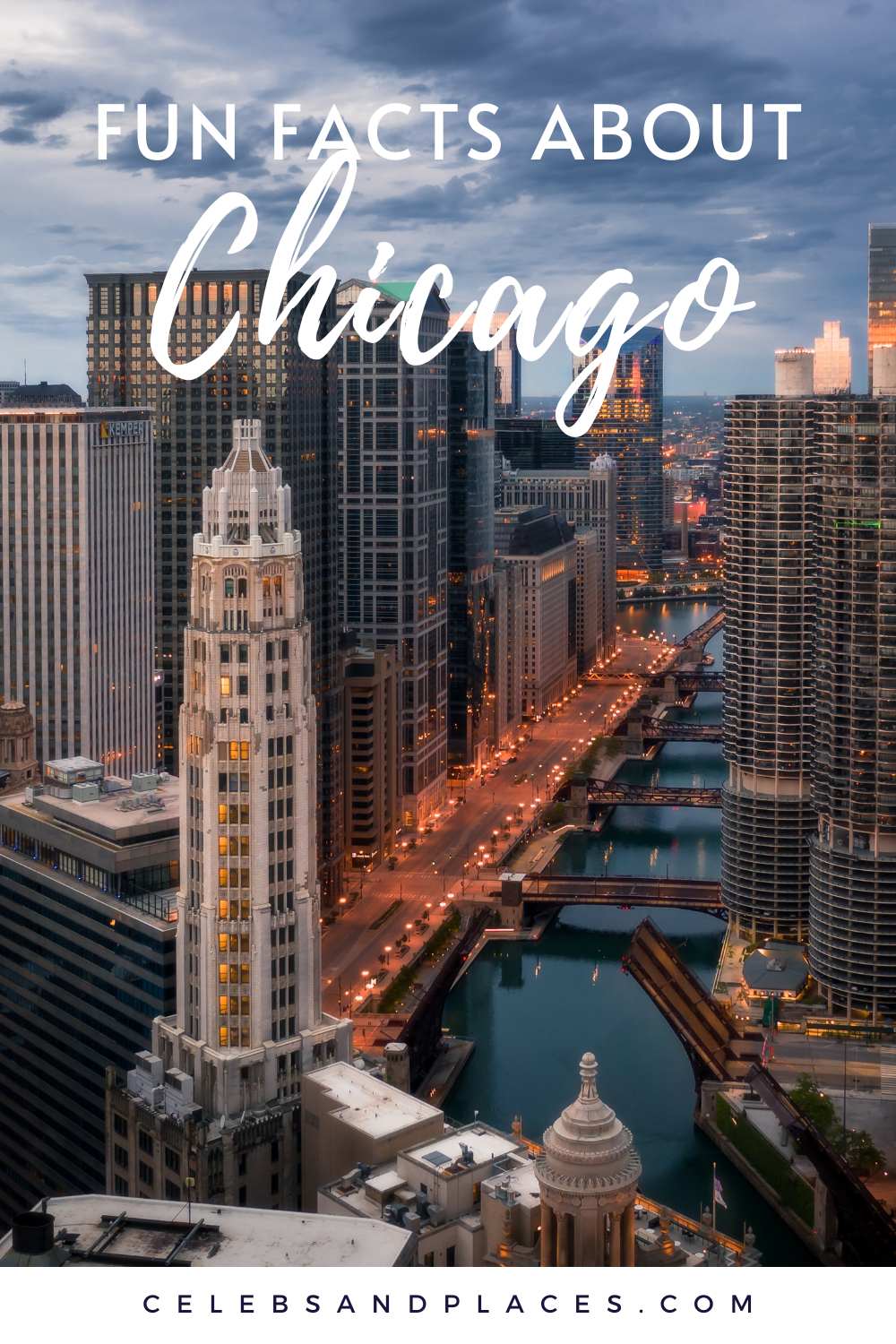
The city was originally built on swampland, which created serious drainage and sanitation problems. In the 1850s and 1860s, engineers performed an incredible feat by raising the entire city level by 4 to 14 feet using jackscrews, creating a new street level while keeping buildings intact.
4. The City Reversed Its River
In one of the greatest engineering marvels of the 19th century, Chicago reversed the flow of the Chicago River in 1900 to prevent sewage from contaminating Lake Michigan, the city’s drinking water source. The river now flows away from the lake toward the Mississippi River system.
5. Fort Dearborn Was Chicago’s Beginning
Before becoming a major city, Chicago started as Fort Dearborn, a small military outpost established in 1803 at the mouth of the Chicago River. The fort was built to protect American interests during westward expansion and played a crucial role in the War of 1812.
Chicago Architecture and Engineering Wonders
6. Chicago Invented the Skyscraper
The world’s first skyscraper, the Home Insurance Building, was constructed in Chicago in 1885. Standing ten stories tall with a revolutionary steel frame construction, it pioneered the architectural techniques that would define modern cities worldwide.
7. The City Has the Tallest Building in the Western Hemisphere
Willis Tower, formerly known as Sears Tower, held the title of world’s tallest building from 1973 to 1998. At 1,450 feet tall with 110 stories, it remains the second-tallest building in the Western Hemisphere and features the famous Skydeck with glass ledges extending outside the building.
8. Chicago Has More Movable Bridges Than Any Other City
With 52 movable bridges spanning the Chicago River and its branches, Chicago has more movable bridges than any other city in the world. These bridges lift regularly to allow boats and ships to pass through the city’s waterways.
9. The Magnificent Mile Wasn’t Always Magnificent
Michigan Avenue’s famous shopping district, known as the Magnificent Mile, was a relatively ordinary street until real estate developer Arthur Rubloff coined the catchy name in the 1940s to attract high-end retailers and luxury developments.
10. Frank Lloyd Wright’s Chicago Legacy
Legendary architect Frank Lloyd Wright designed numerous buildings in and around Chicago, including the iconic Robie House. The Chicago area has the largest concentration of Wright-designed buildings in the world, showcasing his revolutionary Prairie School architectural style.
Chicago Food Culture and Culinary Traditions
11. Deep-Dish Pizza Was Invented Here
Chicago-style deep-dish pizza was invented at Pizzeria Uno in 1943 by Ike Sewell and Ric Riccardo. This thick, layered pizza with inverted toppings (cheese on bottom, sauce on top) became an iconic Chicago food that sparks fierce debates with New York pizza lovers.
12. Hot Dogs Have Strict Rules
Chicago-style hot dogs are serious business. The traditional dog includes yellow mustard, chopped white onions, bright green sweet pickle relish, a dill pickle spear, tomato slices, pickled sport peppers, and celery salt on a poppy seed bun. The cardinal rule: never, ever put ketchup on a Chicago hot dog.
13. The Twinkie Was Born in Chicago
The famous Twinkie snack cake was invented in 1930 by James Dewar, a baker working for the Continental Baking Company in Chicago. Originally filled with banana cream, the filling changed to vanilla during World War II due to banana rationing.
14. Chicago Is Home to the Biggest Food Festival
The Taste of Chicago, which began in 1980, is one of the world’s largest food festivals. Held annually in Grant Park, it attracts millions of visitors who sample dishes from Chicago’s diverse restaurant scene over multiple days each summer.
15. Garrett Popcorn Created the Chicago Mix
Garrett Popcorn Shops, founded in Chicago in 1949, created the famous “Chicago Mix” combining caramel corn and cheese corn in the same bag. This sweet and savory combination has become synonymous with Chicago snacking culture.
Chicago Crime, Prohibition, and Gangster History
16. Al Capone Ruled Chicago During Prohibition
The notorious gangster Al Capone controlled Chicago’s illegal liquor trade during Prohibition in the 1920s, earning an estimated $100 million annually. His reign included the infamous St. Valentine’s Day Massacre in 1929, where seven rival gang members were gunned down.
17. The Biograph Theater Witnessed John Dillinger’s End
In 1934, FBI agents shot and killed notorious bank robber John Dillinger outside the Biograph Theater on Lincoln Avenue after watching a movie. The theater still stands today and has become a landmark in Chicago’s crime history.
18. Chicago Had Secret Underground Tunnels for Bootleggers
During Prohibition, an extensive network of underground tunnels connected speakeasies, breweries, and gangster hideouts throughout downtown Chicago. Many of these tunnels still exist beneath the city streets, hidden relics of the lawless era.
19. The Untouchables Were Real
Eliot Ness and his team of Prohibition agents, nicknamed “The Untouchables” because they couldn’t be bribed, were real law enforcement officers who fought against Al Capone’s empire. Their efforts eventually led to Capone’s conviction for tax evasion in 1931.
20. Chicago’s Mob Ties Influenced Politics
Organized crime had such deep connections to Chicago politics that several mayors and aldermen were suspected of mob ties throughout the 20th century. The phrase “Chicago-style politics” became shorthand for corruption and machine politics nationwide.
Chicago Sports Legacy and Achievements
21. The Cubs’ Historic Championship Drought
The Chicago Cubs went 108 years without winning a World Series championship, from 1908 to 2016, the longest drought in professional sports history. The “Curse of the Billy Goat” was blamed for this streak until the Cubs finally won in 2016.
22. Michael Jordan Built a Dynasty
The Chicago Bulls won six NBA championships in the 1990s with Michael Jordan, widely considered the greatest basketball player of all time. Jordan’s partnership with coach Phil Jackson and teammate Scottie Pippen created one of sports’ most dominant dynasties.
23. Soldier Field Is the Oldest NFL Stadium
Opened in 1924, Soldier Field is the oldest stadium in the NFL and home to the Chicago Bears. The stadium underwent major renovations in 2003, creating a unique contrast between the original classical colonnade exterior and the modern interior bowl.
24. Chicago Invented Softball
Softball was invented in Chicago in 1887 at the Farragut Boat Club. George Hancock created the game as an indoor version of baseball, using a boxing glove as a ball. The sport quickly spread across America and eventually worldwide.
25. Wrigley Field’s Iconic Ivy
The famous ivy covering the outfield walls of Wrigley Field was planted in 1937 by Bill Veeck. The Boston ivy and Japanese bittersweet create one of baseball’s most recognizable features, though balls lost in the ivy are ground-rule doubles.
Chicago Modern Culture and Current Records
26. Chicago Has the Busiest Airport
O’Hare International Airport was the world’s busiest airport for decades and remains one of the top three globally. The airport serves as a major hub connecting destinations across America and around the world, handling over 80 million passengers annually.
27. The City Has the World’s Largest Public Library
The Harold Washington Library Center, Chicago’s main public library, is the largest public library building in the world. Opened in 1991, the ten-story building contains over 1.5 million books and spans an entire city block.
28. Chicago Blues Shaped American Music
Chicago became the capital of electric blues music in the 1940s and 1950s when African American musicians migrated from the South. Legends like Muddy Waters, Howlin’ Wolf, and Buddy Guy transformed acoustic Delta blues into the electric Chicago blues sound that influenced rock and roll.
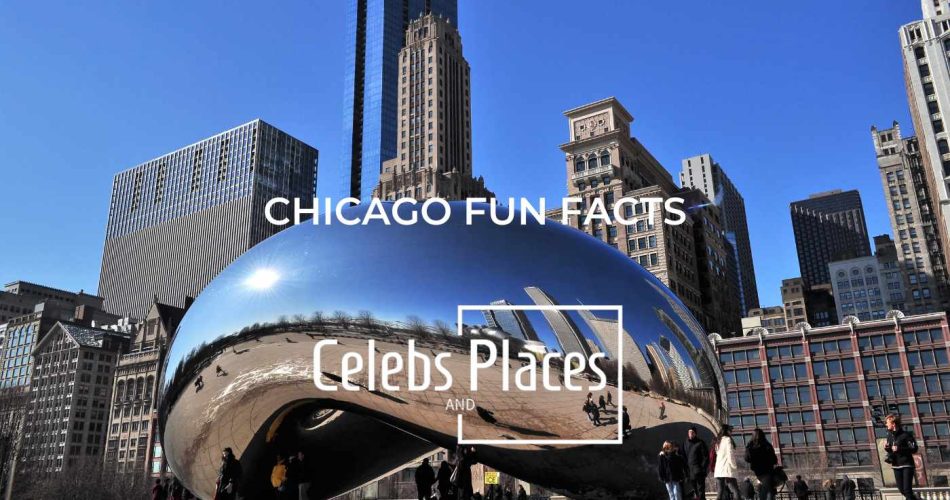
29. The Bean Weighs 110 Tons
Cloud Gate, affectionately called “The Bean,” is a massive stainless steel sculpture in Millennium Park created by artist Anish Kapoor. The 110-ton, 66-foot-long sculpture attracts millions of visitors who photograph their reflections in its mirror-like surface.
30. Chicago Has More Than 570 Parks
The Chicago Park District manages more than 570 parks covering over 8,800 acres of green space throughout the city. The park system includes 31 beaches along Lake Michigan, making Chicago one of the most park-rich major cities in America.
Final Thoughts
Chicago’s identity is forged from equal parts ambition, resilience, and pure Midwestern grit. From raising an entire city out of swampland to reversing a river’s flow, from surviving devastating fires to building the world’s first skyscrapers, Chicago has never been content with the ordinary or the impossible. These facts only scratch the surface of a city where deep-dish pizza debates run as hot as political arguments, where sports loyalty borders on religious devotion, and where a cow’s alleged kick sparked one of history’s most transformative urban disasters. Whether it’s the architectural genius visible in every skyline silhouette, the musical legacy echoing from blues clubs, or the engineering marvels hidden beneath city streets, Chicago continues to embody the bold, innovative spirit that transformed a frontier outpost into one of the world’s greatest cities. The Windy City’s story reminds us that greatness isn’t just about what you build; it’s about how you rebuild after everything burns down.